
Journal
Clinical information and patient guidance
The questions most frequently encountered in clinical practice, presented in plain language alongside current evidence.
170 articles
 Diagnosis and symptoms· Lower back· 6 min read
Lumbar disc herniation symptoms: which pain points to a disc?
Not every backache is a disc. What suggests a herniation is where the pain travels and which movements change it.
Lumbar disc herniation Treatment course· Lower back· 7 min read
Non-surgical treatment for a lumbar disc herniation: how the process works
Most lumbar herniations settle without surgery. What determines the outcome is applying the right loading at the right time.
Lumbar disc herniation Exercise· Lower back· 7 min read
Disc herniation exercises: which help and which to avoid
Correctly selected exercise reduces pain rather than increasing it. What matters is not the movement itself but the stage and direction in which it is applied.
Lumbar disc herniation Treatment decision· Lower back· 6 min read
Is surgery necessary for a disc herniation? The criteria that decide
Most herniations settle without surgery. The decision rests not on the size of the herniation but on neurological findings and response to treatment.
Lumbar disc herniation Daily living· Lower back· 6 min read
Daily life with a disc herniation: how to sleep and how to sit
One hour in clinic cannot compete with the other twenty-three hours of the day. Daily routine determines whether treatment lasts.
Lumbar disc herniation Diagnosis and symptoms· Neck· 6 min read
Cervical disc herniation symptoms: what arm pain means
Neck pain radiating into the arm indicates nerve root compression. Which finger the pain reaches points to the level involved.
Cervical disc herniation Treatment course· Neck· 6 min read
Non-surgical cervical herniation treatment: stages and timeline
Most cervical herniations settle without surgery. What determines the outcome is calming nerve irritation and re-engaging the muscles that carry the head.
Cervical disc herniation Exercise· Neck· 6 min read
Cervical herniation exercises: what is safe and what to avoid
The risk in neck exercise lies not in the movement but in its speed and range. Controlled, graded application is safe.
Cervical disc herniation- Treatment decision· Neck· 6 min read
Is surgery necessary for a cervical herniation? The findings that decide
Most cervical herniations settle without surgery. The decision rests on the presence of cord findings and the response to treatment.
Cervical disc herniation  Daily living· Neck· 6 min read
Sleep and pillow selection with a cervical herniation
The commonest cause of night pain is unsuitable pillow height. If the head departs from the line of the trunk, the nerve root is held under tension for hours.
Cervical disc herniation- Diagnosis and symptoms· Neck· 6 min read
What is cervical flattening and what does it mean on an X-ray?
Cervical flattening is a very common X-ray finding, seen in people without pain too. What matters is not the degree of curve but muscular endurance.
Cervical flattening 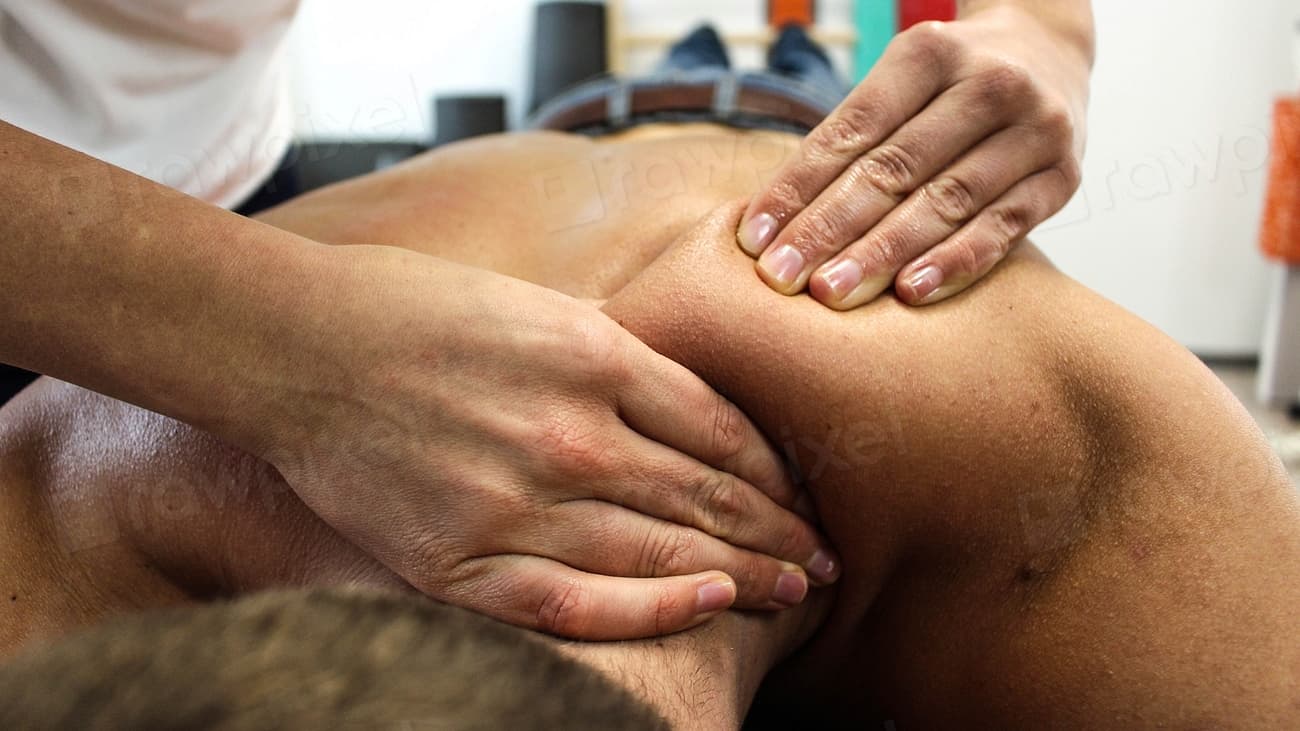 Treatment course· Neck· 6 min read
Treating cervical flattening: the target is endurance, not the angle
Treatment does not promise to restore the curve. The target is building endurance in the deep muscles that carry the head and changing daily position.
Cervical flattening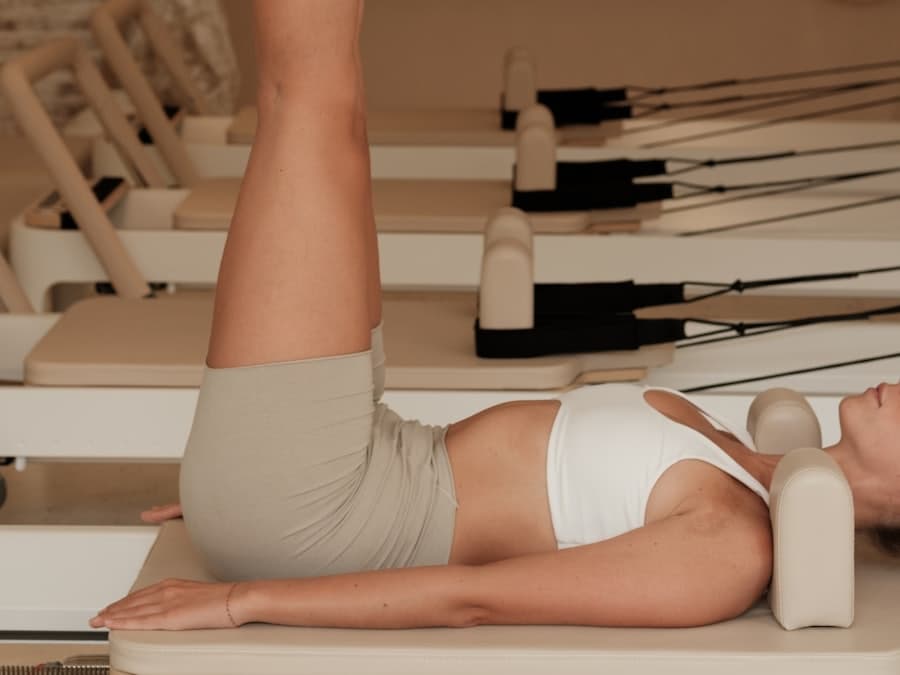 Exercise· Neck· 6 min read
Exercises for cervical flattening: what actually works
The stretches widely shared online give temporary relief. Lasting results come from endurance-focused deep muscle work.
Cervical flattening- Treatment decision· Neck· 6 min read
Is cervical flattening serious? When assessment is needed
Flattening alone is not a serious finding. What determines seriousness is the accompanying neurological symptoms.
Cervical flattening - Daily living· Neck· 6 min read
Desk setup and daily habits in cervical flattening
Exercise raises muscular capacity; daily routine determines the load placed on it. Without both, the result does not last.
Cervical flattening 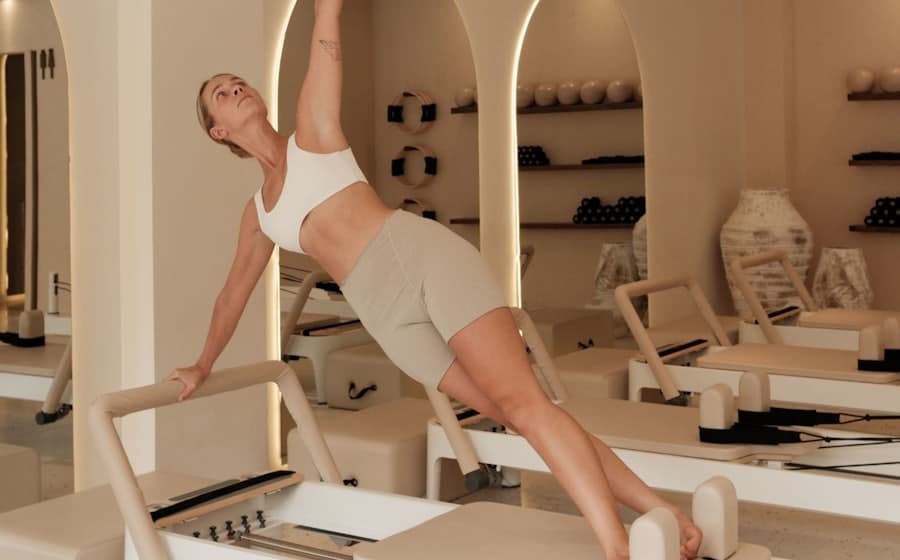 Diagnosis and symptoms· Upper back· 6 min read
What is scoliosis and how is it noticed?
Scoliosis is a sideways curvature of the spine combined with rotation. Early detection directly changes the follow-up decision.
Scoliosis- Treatment course· Upper back· 6 min read
Scoliosis treatment: exercise, bracing and the monitoring decision
The treatment decision rests on Cobb angle, age and growth status. Exercise and bracing are not alternatives but complements.
Scoliosis 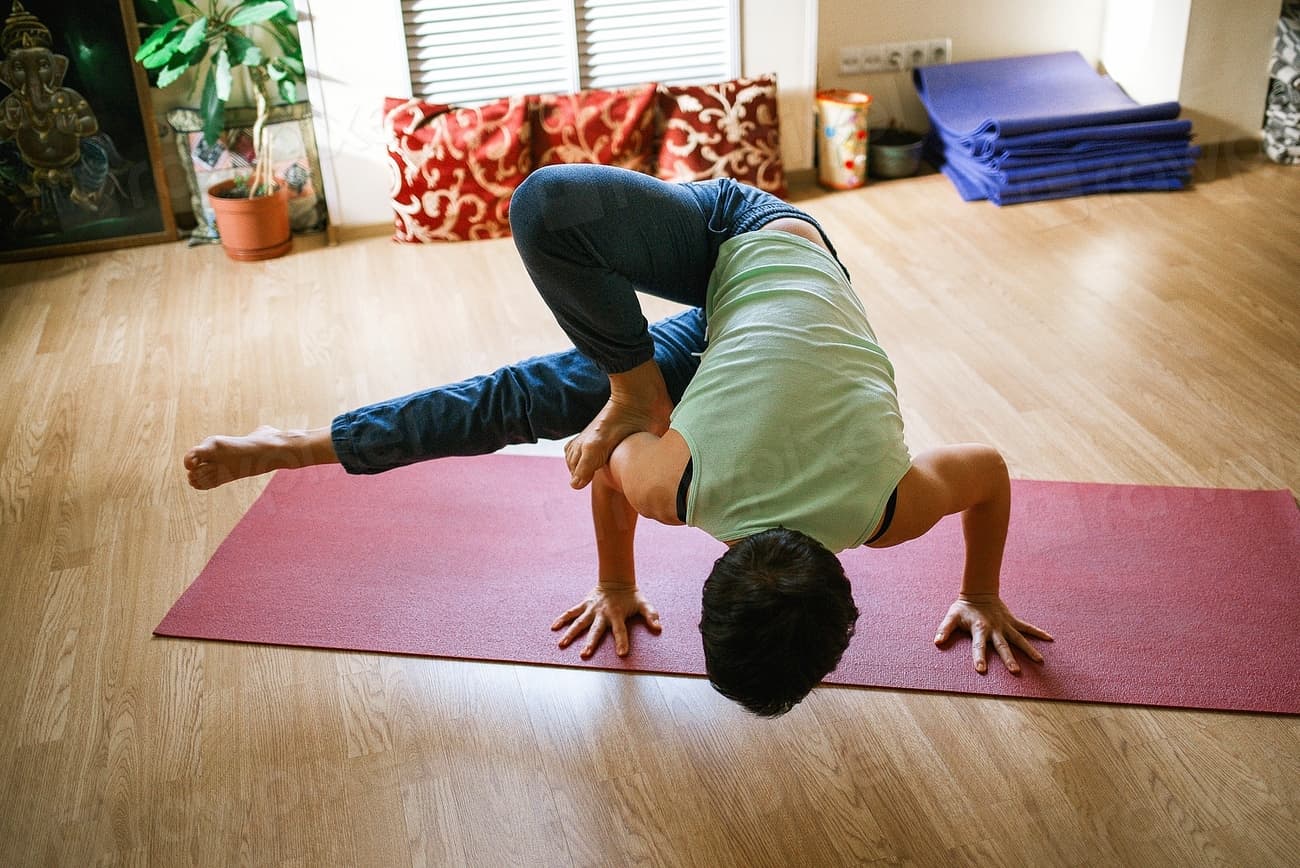 Exercise· Upper back· 6 min read
Scoliosis exercises: why one programme does not fit everyone
Symmetric exercise falls short in scoliosis. The programme is built around the curve's direction, apex and degree of rotation.
Scoliosis- Treatment decision· Upper back· 6 min read
What criteria the surgical decision rests on in scoliosis
The surgical decision rests not on Cobb angle alone but on progression rate, growth status and functional impact together.
Scoliosis  Daily living· Upper back· 6 min read
Daily life with scoliosis: sleep, bags, sport and work
Scoliosis mostly does not limit daily life. What matters is not accumulating asymmetric load on one side through the day.
Scoliosis Diagnosis and symptoms· Knee· 6 min read
Meniscus tear symptoms: which findings distinguish it
The most distinguishing finding in a meniscus tear is sharp pain on twisting the knee together with joint-line tenderness.
Meniscus tear Treatment course· Knee· 6 min read
How effective is non-surgical treatment for a meniscus tear?
In degenerative meniscus tears, a structured exercise programme gives results comparable to surgery.
Meniscus tear- Exercise· Knee· 6 min read
Exercise for a meniscus tear: sequence and safe progression
The effect of exercise depends more on sequence than on selection. A knee loaded before activation is established produces pain, not progress.
Meniscus tear - Treatment decision· Knee· 6 min read
Is meniscus surgery necessary? What the decision rests on
A locked knee and traumatic tears in younger people favour surgery. In degenerative tears, physiotherapy is the first option.
Meniscus tear  Daily living· Knee· 6 min read
Stairs, squatting and daily movement with a meniscus tear
Most movements that increase knee pain do not need avoiding altogether — they need a change of technique.
Meniscus tear- Diagnosis and symptoms· Neck· 6 min read
Tension-type headache: symptoms and how it differs from migraine
Tension-type headache is bilateral, pressure-like and starts at the base of the skull. Its source is usually the neck and shoulder girdle.
Cervicogenic tension-type headache - Treatment course· Neck· 6 min read
What physiotherapy does in tension-type headache
In neck-related headache the aim is not to suppress pain but to remove the muscular and joint load producing it.
Cervicogenic tension-type headache  Exercise· Neck· 6 min read
Neck exercises for headache: what each exercise targets
Stretches give momentary relief; the work that actually reduces headache frequency is endurance training.
Cervicogenic tension-type headache Treatment decision· Neck· 6 min read
When does headache require assessment?
The great majority of headaches are benign. A few warning signs, however, require assessment without delay.
Cervicogenic tension-type headache Daily living· Neck· 6 min read
Screen use, sleep and daily routine in headache
The three habits that most affect headache frequency are screen setup, break rhythm and sleep routine.
Cervicogenic tension-type headache Diagnosis and symptoms· Lower back· 6 min read
What is lumbar flattening and what does it mean on an X-ray?
Lumbar flattening is usually the result of pain-related muscle spasm, not its cause. The curve often returns once pain settles.
Lumbar flattening & hyperlordosis- Treatment course· Lower back· 6 min read
Treating lumbar flattening: what the programme targets
Treatment does not promise to restore the curve. The aim is to establish trunk control and distribute the load producing pain.
Lumbar flattening & hyperlordosis - Exercise· Lower back· 6 min read
Lumbar flattening exercises: endurance or flexibility?
In the lower back it is endurance, not flexibility, that is sought. Excessive stretching further loads segments that are already mobile.
Lumbar flattening & hyperlordosis - Treatment decision· Lower back· 6 min read
Is imaging needed in lumbar flattening?
In mechanical back pain without neurological signs, imaging usually does not change the treatment decision.
Lumbar flattening & hyperlordosis  Daily living· Lower back· 6 min read
Sitting setup and correct lifting technique in lumbar flattening
What matters is not which position you sit in but how long you stay in the same one.
Lumbar flattening & hyperlordosis Diagnosis and symptoms· Knee· 6 min read
What is a Baker's cyst and what are its symptoms?
A Baker's cyst is not a disease but a consequence. It does not resolve permanently until the underlying problem producing fluid is addressed.
Baker's cyst Treatment course· Knee· 6 min read
Treating a Baker's cyst: treating the cause, not the cyst
Draining the cyst gives temporary relief; while the cause producing fluid persists, it returns.
Baker's cyst Exercise· Knee· 6 min read
Exercise in a Baker's cyst: what needs to be worked
Exercise has two aims: reducing joint fluid production and supporting drainage of the fluid already there.
Baker's cyst- Treatment decision· Knee· 6 min read
What happens if a Baker's cyst ruptures, and when is urgent assessment needed?
A ruptured cyst causes sudden calf swelling and pain. As this can be confused with a blood clot, it requires assessment.
Baker's cyst - Daily living· Knee· 6 min read
Daily life with a Baker's cyst: sitting, walking and activity
The habit that most increases the sense of tightness is keeping the knee fully bent for long periods.
Baker's cyst - Diagnosis and symptoms· Treatment methods· 6 min read
What is manual therapy and how does it differ from massage?
Manual therapy is a hands-on application based on assessment with a defined target. That targeting is what distinguishes it from massage.
Manual therapy & joint mobilisation 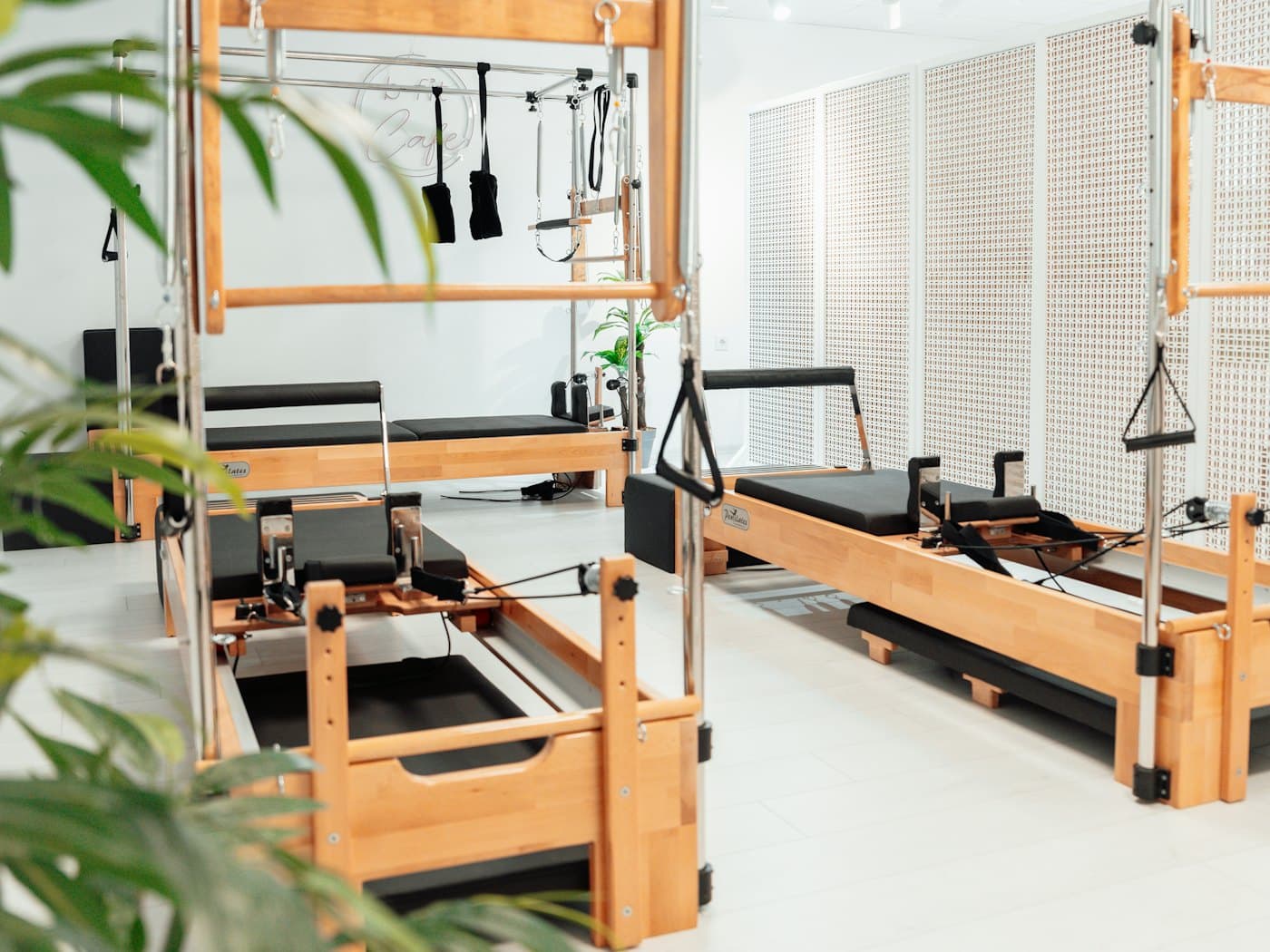 Treatment course· Treatment methods· 6 min read
What manual therapy does for back pain
Manual therapy brings rapid relief in back pain. Durability comes from the exercise programme begun in the same session.
Manual therapy & joint mobilisation Exercise· Treatment methods· 6 min read
Exercise after manual therapy: making the gain last
Range opened by hand closes again within days if unused. Exercise makes that window permanent.
Manual therapy & joint mobilisation- Treatment decision· Treatment methods· 6 min read
Is manual therapy safe? Who should not receive it?
Applied after assessment, manual therapy is a safe method. What determines risk is how carefully the history is taken.
Manual therapy & joint mobilisation  Daily living· Treatment methods· 6 min read
What happens in a manual therapy session? A first-session guide
Most of a first session is given to assessment. Application does not begin before measurement.
Manual therapy & joint mobilisation- Diagnosis and symptoms· Neck· 6 min read
Pain radiating from neck to arm: what is cervical radiculopathy?
Pain radiating into the arm indicates a nerve root under pressure in the neck. Where the numbness is tells which level is affected.
Cervical radiculopathy  Treatment course· Neck· 6 min read
Non-surgical treatment of cervical radiculopathy
Most patients recover without surgery. The programme focuses on reducing load on the nerve and increasing its tolerance.
Cervical radiculopathy- Exercise· Neck· 6 min read
Exercise for arm-radiating neck pain: how to approach nerve tissue
Nerve tissue does not behave like muscle. Forced stretching increases symptoms; gliding work stays gentle and brief.
Cervical radiculopathy - Treatment decision· Neck· 6 min read
When is surgery needed for arm-radiating neck pain?
Pain intensity alone is not grounds for surgery. What is decisive is weakness and the response to treatment.
Cervical radiculopathy  Daily living· Neck· 6 min read
Sleeping position and daily routine in arm-radiating neck pain
Night pain is the most wearing aspect of this picture. A small change in arm position makes a marked difference for most patients.
Cervical radiculopathy Diagnosis and symptoms· Neck· 6 min read
What is cervical spondylosis? Is neck arthritis serious?
Cervical spondylosis is the natural age-related change of the cervical spine. It is very common over forty and produces no symptoms in most people.
Cervical spondylosis Treatment course· Neck· 6 min read
Treating neck arthritis: what can actually be changed
We cannot reverse the structural change. We can markedly change pain, range of motion and daily function.
Cervical spondylosis- Exercise· Neck· 6 min read
Exercise in neck arthritis: which movements are safe
In spondylosis movement is not harmful; immobility is. What matters is which movement is done and how.
Cervical spondylosis - Daily living· Neck· 6 min read
Pillow, screen and daily routine in neck arthritis
Morning stiffness is the most typical complaint here, and pillow and sleeping position affect it directly.
Cervical spondylosis - Treatment decision· Neck· 6 min read
Which symptoms require assessment in neck arthritis?
Spondylosis itself is not concerning. What matters are symptoms indicating nerve or cord compression.
Cervical spondylosis - Diagnosis and symptoms· Neck· 6 min read
What is cervical spinal stenosis and what are its symptoms?
Cervical stenosis is narrowing of the spinal canal in the neck. Its importance comes from its potential to affect the spinal cord.
Cervical spinal stenosis  Treatment course· Neck· 6 min read
What conservative treatment does in cervical stenosis
Physiotherapy does not widen the canal. It controls symptoms by reducing load on the nerve roots — absent myelopathy, that is usually enough.
Cervical spinal stenosis- Exercise· Neck· 6 min read
Exercise in cervical stenosis: which direction is safe
Direction matters in stenosis. Extending the neck narrows the canal; a slightly flexed neutral position widens it.
Cervical spinal stenosis - Treatment decision· Neck· 6 min read
Cervical myelopathy: symptoms requiring assessment without delay
Myelopathy begins insidiously and can be painless. The earliest signs appear in hand dexterity and gait.
Cervical spinal stenosis - Daily living· Neck· 6 min read
Daily life with cervical stenosis: which positions to avoid
One rule is decisive in daily life: not holding the neck extended for long periods.
Cervical spinal stenosis - Diagnosis and symptoms· Neck· 6 min read
What is cervical disc degeneration? Wear in the neck discs
Disc degeneration is not a disease but a natural age-related process, seen in most people over thirty.
Cervical disc degeneration - Treatment course· Neck· 6 min read
What treatment targets in cervical disc degeneration
We cannot repair the disc. We can markedly reduce pain by distributing the load on it and the neighbouring joints.
Cervical disc degeneration - Exercise· Neck· 6 min read
The exercise programme in cervical disc degeneration
Disc nutrition depends on movement. Immobility is the most common modifiable factor accelerating degeneration.
Cervical disc degeneration - Treatment decision· Neck· 6 min read
Reading a neck MRI report: what each phrase means
Not every phrase in a report signals a problem. What matters is whether the finding matches the symptoms.
Cervical disc degeneration  Daily living· Neck· 6 min read
Daily habits that affect disc health
Smoking and inactivity head the list of modifiable factors affecting the pace of degeneration.
Cervical disc degeneration- Diagnosis and symptoms· Treatment methods· 6 min read
What is cervical mobilisation and how does it differ from manipulation?
Mobilisation consists of rhythmic, controlled movements applied to the neck joints within normal limits. It differs from manipulation in speed and amplitude.
Cervical mobilisation - Treatment course· Treatment methods· 6 min read
Which complaints does cervical mobilisation help?
Mobilisation brings rapid relief but does not last alone. Durability comes from exercise begun in the same session.
Cervical mobilisation - Exercise· Treatment methods· 6 min read
Home neck exercises after mobilisation
Range opened by hand closes within days if unused. The home programme fixes that gain in place.
Cervical mobilisation - Treatment decision· Treatment methods· 6 min read
Is neck manipulation risky? What is known and how the decision is made
Serious events are very rare but not zero, which is why controlled mobilisation is the first choice in the neck.
Cervical mobilisation  Daily living· Treatment methods· 6 min read
Preparing for a neck treatment session and the routine afterwards
Two things determine how productive a session is: bringing the information assessment needs, and not skipping the exercise afterwards.
Cervical mobilisation Diagnosis and symptoms· Upper back· 6 min read
What is kyphosis? Is a hunched back the same as poor posture?
A forward curve in the upper back is normal. Kyphosis is that curve exceeding the normal range — and most of it is postural, not structural.
Thoracic kyphosis- Treatment course· Upper back· 6 min read
Kyphosis treatment: is the target the curve or endurance?
In postural kyphosis the curve really does change. In structural kyphosis the target is not the angle but the back's capacity to carry load.
Thoracic kyphosis - Exercise· Upper back· 6 min read
Kyphosis exercises: what each movement corrects
The programme stands on three legs: mobilising the back, opening the chest, controlling the shoulder blade. Missing one makes the other two ineffective.
Thoracic kyphosis - Treatment decision· Upper back· 6 min read
Which findings in kyphosis require assessment?
Kyphosis itself is rarely urgent. What matters is a rapidly increasing curve and underlying fracture or osteoporosis.
Thoracic kyphosis - Daily living· Upper back· 6 min read
Desk setup, phone use and sleep in kyphosis
Exercise raises the back's capacity; daily routine determines the load on it. In kyphosis the second is usually more decisive.
Thoracic kyphosis - Diagnosis and symptoms· Upper back· 6 min read
What is a thoracic disc herniation and what are its symptoms?
Thoracic disc herniation is far rarer than lumbar or cervical. Pain radiating around the ribs like a band is its most typical finding.
Thoracic disc herniation - Treatment course· Upper back· 6 min read
Non-surgical treatment and physiotherapy in thoracic disc herniation
Most thoracic herniations without neurological findings resolve with conservative treatment.
Thoracic disc herniation - Exercise· Upper back· 6 min read
Exercise in thoracic disc herniation: breathing, mobility and endurance
Breathing is the distinguishing component of exercise here. Without regaining rib movement, the rest of the work stays limited.
Thoracic disc herniation - Treatment decision· Upper back· 6 min read
Which upper back pain symptoms require urgent assessment?
The upper back is the one spinal region where pain can be referred from internal organs, so the differential is wider here.
Thoracic disc herniation - Daily living· Upper back· 6 min read
Daily life with thoracic herniation: lifting, sitting and breathing
The most overlooked habit here is breathing shallowly because of pain. Immobile ribs reinforce the stiffness.
Thoracic disc herniation - Diagnosis and symptoms· Treatment methods· 6 min read
Why does the upper back stiffen? What loss of thoracic movement means
Upper back stiffness rarely causes symptoms on its own. Its real effect is forcing neighbouring regions to work in its place.
Thoracic mobilisation - Treatment course· Treatment methods· 6 min read
Manual therapy and thoracic mobilisation for upper back pain
Thoracic mobilisation is not done for the upper back alone. Most neck and shoulder programmes work this region too.
Thoracic mobilisation - Exercise· Treatment methods· 6 min read
Thoracic mobility exercises: a programme you can do at home
Progress in thoracic mobility comes from regular repetition rather than forcing. Five minutes a day beats one long weekly session.
Thoracic mobilisation - Treatment decision· Treatment methods· 6 min read
Upper back pain: which route to take, and the decision criteria
Absent warning signs, waiting and staying active is a reasonable start in mechanical upper back pain.
Thoracic mobilisation - Daily living· Treatment methods· 6 min read
Preserving thoracic mobility: what can be done during the day
Loss of thoracic mobility develops quietly. Preserving it takes short movements spread through the day, not long sessions.
Thoracic mobilisation - Diagnosis and symptoms· Upper back· 6 min read
Locking in the upper back and pain on breathing: a facet joint problem
The most common cause of sudden upper back pain concentrated at one point and sharpening on breathing is facet joint irritation.
Thoracic facet joint syndrome - Treatment course· Upper back· 6 min read
Treatment and recovery in thoracic facet joint problems
Results come quickly here. What matters is not the treatment but gaining the mobility that prevents recurrence.
Thoracic facet joint syndrome - Exercise· Upper back· 6 min read
Exercise in thoracic facet problems: from the acute phase to prevention
In the acute phase the aim is preserving movement; afterwards it is widening it. The same exercise is not used for both.
Thoracic facet joint syndrome - Treatment decision· Upper back· 6 min read
How long does upper back pain last, and when to stop waiting?
Facet-related upper back pain usually recedes within two weeks. Beyond that, assessment is more appropriate than waiting.
Thoracic facet joint syndrome  Daily living· Upper back· 6 min read
Sleeping position, pillow and daily routine in upper back pain
Facet-related upper back pain often begins after sleep. Pillow and position have a direct effect here.
Thoracic facet joint syndrome- Diagnosis and symptoms· Neck· 6 min read
Trapezius pain and trigger points: the knot over the shoulder
A palpable tight band over the shoulder, and pain shooting to the temple when pressed, is the most recognisable sign of a myofascial picture.
Myofascial neck pain - Treatment course· Neck· 6 min read
Treating myofascial neck pain: releasing the knot is not enough
Releasing a trigger point brings quick relief. If the load on the muscle does not change, however, the point returns within days.
Myofascial neck pain  Exercise· Neck· 6 min read
Stretches and self-release for neck trigger points
Stretching gives momentary relief; what prevents the point re-forming is endurance work. The two go together.
Myofascial neck pain- Treatment decision· Neck· 6 min read
Neck pain: muscular or a herniation? The distinguishing findings
The most practical criterion is how far the pain travels. Pain below the elbow with finger numbness is not muscular.
Myofascial neck pain - Daily living· Neck· 6 min read
Managing neck and shoulder tension through the day
The most common reason the upper trapezius works all day is unsupported arms. A single adjustment markedly reduces that load.
Myofascial neck pain - Diagnosis and symptoms· Lower back· 6 min read
Is back pain radiating to the buttock always a herniation?
A significant proportion of pain radiating to the buttock and thigh comes from muscle rather than nerve. The distinction rests on whether it travels below the knee.
Myofascial pain - Treatment course· Lower back· 6 min read
Treating myofascial lower back pain and preventing recurrence
Hip strength is the decisive component here. A weak hip provides the ground for trigger points to re-form continuously.
Myofascial pain - Exercise· Lower back· 6 min read
Stretches and ball work for back and hip trigger points
Ball pressure on the hip muscles is the most effective self-release that can be continued at home.
Myofascial pain - Treatment decision· Lower back· 6 min read
Is back pain muscular or neural?
The most practical criterion is whether pain travels below the knee and whether there is sensory change.
Myofascial pain - Daily living· Lower back· 6 min read
How prolonged sitting affects the back and hip muscles
Sitting both shortens and weakens the hip muscles. That is the real reason trigger points recur so often.
Myofascial pain - Diagnosis and symptoms· Upper back· 6 min read
Burning between the shoulder blades: cause and meaning
The most common cause of burning between the shoulder blades is fatigue in back muscles working under static load all day.
Myofascial upper back pain - Treatment course· Upper back· 6 min read
Treating interscapular pain: why endurance, not strength
The muscles here are fatigued rather than weak. Heavy strength work usually increases symptoms; the target is endurance.
Myofascial upper back pain - Exercise· Upper back· 6 min read
Exercise for the interscapular region: from release to endurance
The interscapular muscles work all day, so the programme must be spread across the day. One long session is insufficient here.
Myofascial upper back pain - Treatment decision· Upper back· 6 min read
When upper back pain does not go away: what to do next
The most common reason interscapular pain persists despite treatment is not the treatment but the unaddressed daily load.
Myofascial upper back pain - Daily living· Upper back· 6 min read
Working setup and daily habits in interscapular pain
Arm support is the single most effective adjustment here. Unsupported arms keep the interscapular muscles working all day.
Myofascial upper back pain - Diagnosis and symptoms· Treatment methods· 6 min read
What is myofascial release? What is known about fascia
Fascia is the connective tissue network surrounding muscle. Myofascial release targets that tissue and the taut bands within it.
Myofascial release - Treatment course· Treatment methods· 6 min read
Which complaints is myofascial release used for?
This method is not a treatment programme on its own. It opens a window for exercise, and durability comes from the work done in that window.
Myofascial release - Exercise· Treatment methods· 6 min read
How to use a foam roller: application by region
A foam roller is used by stopping on a tender point, not rolling quickly back and forth. That single difference determines the effect.
Myofascial release - Treatment decision· Treatment methods· 6 min read
Massage guns and release tools: what they do and where not to use them
These tools produce a real but short-lived effect. The problem is not the tools but treating them as the whole programme.
Myofascial release - Daily living· Treatment methods· 6 min read
A self-release routine at home: a ten-minute programme
A release routine is maintenance rather than treatment. Applied regularly it reduces how often symptoms arise.
Myofascial release - Diagnosis and symptoms· Treatment methods· 6 min read
What is dry needling and how does it differ from acupuncture?
Dry needling targets the taut band in a muscle directly with a fine needle. Beyond using a needle, it has nothing in common with acupuncture.
Dry needling - Treatment course· Treatment methods· 6 min read
Which complaints is dry needling used for?
Dry needling shows its clearest advantage in deep trigger points that hands cannot reach.
Dry needling - Treatment decision· Treatment methods· 6 min read
Does dry needling hurt? Side effects and safety
The needle entry is usually not felt. What is felt is a brief deep ache when the trigger point is reached.
Dry needling - Exercise· Treatment methods· 6 min read
Exercise after dry needling and the first 48 hours
The effect of needling becomes lasting when the released muscle is used through its new range. Immobility afterwards wastes the gain.
Dry needling - Daily living· Treatment methods· 6 min read
What to know before dry needling
The most critical information to disclose beforehand is your medications and any history of a bleeding disorder.
Dry needling - Diagnosis and symptoms· Treatment methods· 6 min read
What is diaphragmatic breathing and why does it matter?
When the diaphragm does not work adequately, the neck muscles take over part of breathing. That is where the link between neck pain and breathing comes from.
Posture & breathing retraining - Treatment course· Treatment methods· 6 min read
Posture and breathing training: how the programme is built
Posture training is not telling someone to sit up straight. The aim is building the endurance to hold yourself upright and being able to change position.
Posture & breathing retraining - Exercise· Treatment methods· 6 min read
Breathing exercises: step-by-step application
The aim of breathing exercise is not to breathe deeply but to breathe from the right place. The two are often confused.
Posture & breathing retraining - Treatment decision· Treatment methods· 6 min read
Can poor posture be corrected? Setting the right expectation
The evidence does not support a single 'correct posture'. The variable most strongly linked to pain is not posture itself but time spent in one position.
Posture & breathing retraining - Daily living· Treatment methods· 6 min read
Posture and breathing through the day: a sustainable routine
Trying to hold one correct position through the day is tiring. What is sustainable is changing position regularly.
Posture & breathing retraining  Diagnosis and symptoms· Knee· 6 min read
Kneecap pain: what is patellofemoral pain syndrome?
The most common cause of front-of-knee pain that worsens on stairs and after prolonged sitting is patellofemoral pain syndrome.
Patellofemoral pain syndrome- Treatment course· Knee· 6 min read
Treating kneecap pain: why it starts at the hip
The pain is at the knee but the solution is usually at the hip. Load distribution on the kneecap does not change until hip control improves.
Patellofemoral pain syndrome - Exercise· Knee· 6 min read
Kneecap pain exercises: sequence and progression
Success here depends less on which exercise is chosen than on the range it is performed in.
Patellofemoral pain syndrome - Treatment decision· Knee· 6 min read
When does front-of-knee pain require assessment?
Locking, giving-way and tense swelling do not belong to patellofemoral pain; they suggest other diagnoses.
Patellofemoral pain syndrome - Daily living· Knee· 6 min read
Stairs, sitting and footwear in kneecap pain
Sitting with the knee bent for long periods is the most common and most easily corrected trigger here.
Patellofemoral pain syndrome - Diagnosis and symptoms· Lower back· 6 min read
What is degenerative disc disease, and why is the name misleading?
Despite the word 'disease' in its name, this is not a disease but an age-related process occurring in everyone. The term causes more anxiety than it warrants.
Degenerative disc disease - Treatment course· Lower back· 6 min read
What treatment targets in degenerative disc disease
We cannot repair the disc. We can markedly change pain and function by distributing load evenly along the spine.
Degenerative disc disease - Exercise· Lower back· 6 min read
Exercise in degenerative discs: which movements are safe
Movement is not harmful here; immobility is. Disc nutrition depends on movement.
Degenerative disc disease - Treatment decision· Lower back· 6 min read
What 'degeneration' means in a lumbar MRI report
Many findings in a report does not mean a severe picture. Over fifty, these findings are expected.
Degenerative disc disease  Daily living· Lower back· 6 min read
Daily habits that affect disc health
Smoking is the clearest modifiable factor affecting the pace of disc degeneration.
Degenerative disc disease- Diagnosis and symptoms· Lower back· 6 min read
Sacroiliac joint pain: the point beside the tailbone
Point pain just beside the tailbone that can be indicated with a finger is the most typical sign of the sacroiliac joint.
Sacroiliac joint dysfunction  Treatment course· Lower back· 6 min read
Treatment and programme for sacroiliac joint pain
This joint hurts from inadequate support rather than from moving. Treatment is therefore strength-focused.
Sacroiliac joint dysfunction- Exercise· Lower back· 6 min read
Sacroiliac joint exercises: a stability-focused programme
Compression rather than stretching is what works here. Excessive stretching can loosen the joint further.
Sacroiliac joint dysfunction - Treatment decision· Lower back· 6 min read
When is inflammatory disease investigated in sacroiliac pain?
Morning stiffness exceeding an hour, with pain easing on movement and worsening with rest, are the strongest signs of an inflammatory picture.
Sacroiliac joint dysfunction - Daily living· Lower back· 6 min read
Sleep, sitting and daily movement in sacroiliac pain
One rule summarises this picture: avoid movements that separate the two halves of the pelvis.
Sacroiliac joint dysfunction - Diagnosis and symptoms· Knee· 6 min read
Runner's knee: what is pain on the outer side of the knee?
Pain on the outer knee that starts after a certain distance and stops on resting is the most recognisable sign of iliotibial band syndrome.
Iliotibial band syndrome - Treatment course· Knee· 6 min read
Treating iliotibial band syndrome and returning to running
Strengthening the hip rather than trying to stretch the band is the best-evidenced approach here.
Iliotibial band syndrome - Exercise· Knee· 6 min read
The exercise programme in iliotibial band syndrome
The programme has one focus: the pelvis not dropping and the knee not drifting inward on one leg.
Iliotibial band syndrome - Treatment decision· Knee· 6 min read
Outer knee pain that persists: what to do next
The most common reason recovery is delayed here is continuing to run above the pain threshold.
Iliotibial band syndrome - Daily living· Knee· 6 min read
Load management and injury prevention in runners
Most running injuries relate not to technique but to how quickly load is increased.
Iliotibial band syndrome - Diagnosis and symptoms· Knee· 6 min read
Jumper's knee: what is pain below the kneecap?
Point pain just below the kneecap that eases with warm-up and returns after activity is the most typical pattern of tendinopathy.
Patellar tendinopathy - Treatment course· Knee· 6 min read
Treating patellar tendinopathy: why loading is essential
Tendon heals through progressive loading, not rest. That is the core principle of treating tendinopathy.
Patellar tendinopathy - Exercise· Knee· 6 min read
Patellar tendinopathy exercise: a stage-by-stage programme
Working with light load wastes time here. Tendon adaptation requires sufficiently heavy load.
Patellar tendinopathy - Treatment decision· Knee· 6 min read
Tendon pain that persists: finding what is going wrong
The most common error in tendinopathy is inadequate loading. Programmes usually fail because they are too light.
Patellar tendinopathy - Daily living· Knee· 6 min read
Tendon health and training load management in athletes
Tendinopathy usually emerges not in a single session but from load accumulating over weeks.
Patellar tendinopathy  Diagnosis and symptoms· Lower back· 6 min read
Lumbar spinal stenosis: leg pain that increases with walking
Leg pain that increases as you walk and clears quickly on sitting or bending forward is the most typical pattern of lumbar stenosis.
Lumbar spinal stenosis- Treatment course· Lower back· 6 min read
Non-surgical treatment of lumbar spinal stenosis
Physiotherapy does not widen the canal. The goal is walking further with the same canal — and that is a measurable goal.
Lumbar spinal stenosis - Exercise· Lower back· 6 min read
Exercise in lumbar stenosis: why direction matters
Bending the back forward widens the canal here while extending it narrows it. The programme is built on that single principle.
Lumbar spinal stenosis - Daily living· Lower back· 6 min read
Daily life with lumbar stenosis: practical solutions
Small positional adaptations make more difference here than medication.
Lumbar spinal stenosis - Treatment decision· Lower back· 6 min read
Leg pain when walking: stenosis or vascular?
The most practical distinguishing question is this: does it pass when you stop, or do you need to sit down?
Lumbar spinal stenosis - Diagnosis and symptoms· Treatment methods· 6 min read
What is the core? Are abdominal muscles and stabilisation the same?
Stabilisation is not about enlarging the abdominal muscles but about holding the spine steady during movement. They are different goals.
Lumbar stabilisation training - Treatment course· Treatment methods· 6 min read
Who is lumbar stabilisation training for?
Stabilisation training is among the best-documented approaches for reducing recurrence in recurrent back pain.
Lumbar stabilisation training - Exercise· Treatment methods· 6 min read
Stabilisation exercises: correct application and progression
The measure of success here is not repetitions but how long the trunk stays still.
Lumbar stabilisation training - Daily living· Treatment methods· 6 min read
Correct lifting technique and daily load management
Avoidance does not protect; capacity does. Staying away from heavy loads entirely raises long-term risk.
Lumbar stabilisation training - Treatment decision· Treatment methods· 6 min read
Preventing back pain recurrence: what is the evidence?
The single best-evidenced method for reducing recurrence is continuing regular exercise. Nothing else replaces it.
Lumbar stabilisation training - Diagnosis and symptoms· Knee· 6 min read
What is knee osteoarthritis? Symptoms and stages
There is a weak relationship between the arthritis stage on X-ray and the pain felt. This gives both hope and direction.
Knee osteoarthritis - Treatment course· Knee· 6 min read
How effective is non-surgical treatment in knee osteoarthritis?
Exercise is the best-evidenced treatment in knee osteoarthritis and comes first in every guideline.
Knee osteoarthritis - Exercise· Knee· 6 min read
Exercise in knee osteoarthritis: what and how much
Mild pain during exercise is acceptable here and does not require stopping the programme.
Knee osteoarthritis - Daily living· Knee· 6 min read
Daily life with knee osteoarthritis: weight, footwear, activity
Losing weight is the most direct and powerful way to reduce load on the knee here.
Knee osteoarthritis - Treatment decision· Knee· 6 min read
When is knee replacement needed? The decision criteria
The replacement decision rests not on X-ray stage but on the effect of pain and limitation on quality of life.
Knee osteoarthritis - Diagnosis and symptoms· Treatment methods· 6 min read
Why do joints swell? What oedema means
Swelling is not just a cosmetic issue; joint effusion reflexively inhibits the surrounding muscles and causes weakness.
Range of motion & swelling control - Treatment course· Treatment methods· 6 min read
Managing oedema and regaining range of motion
Current practice advises early controlled movement over complete rest, reducing both swelling and stiffness.
Range of motion & swelling control - Exercise· Treatment methods· 6 min read
Range-of-motion exercises: what to do in the early phase
In range-of-motion work, frequency rather than force is what produces results.
Range of motion & swelling control - Treatment decision· Treatment methods· 6 min read
When does joint swelling require urgent assessment?
Joint swelling with fever and redness is a picture that must be assessed within hours.
Range of motion & swelling control - Daily living· Treatment methods· 6 min read
The first 72 hours after injury: what to do and what to avoid
Current practice advises protected early movement rather than complete rest in the first days.
Range of motion & swelling control - Diagnosis and symptoms· Treatment methods· 6 min read
What is scapular control and why does it relate to the shoulder and neck?
The shoulder blade follows a set path every time the arm is raised. When that path is disturbed, load shifts to the shoulder joint and neck.
Scapular stabilisation - Treatment course· Treatment methods· 6 min read
Which complaints is scapular stabilisation training used for?
The shoulder blade is worked in most shoulder and neck programmes; where symptoms are felt does not always show their source.
Scapular stabilisation - Exercise· Treatment methods· 6 min read
Shoulder blade exercises: from activation to load
The shoulders not rising toward the ears is the most practical sign the right muscle is working.
Scapular stabilisation - Treatment decision· Treatment methods· 6 min read
Is shoulder pain coming from the shoulder or the neck?
Pain felt in the shoulder does not always come from the shoulder; the neck and shoulder blade are frequent sources.
Scapular stabilisation - Daily living· Treatment methods· 6 min read
Shoulder health at a desk: arm support and break rhythm
Unsupported arms keep the muscles controlling the blade working all day and create the most common ground for shoulder symptoms.
Scapular stabilisation
This content is for information only and does not replace medical diagnosis or treatment. Response to treatment varies between individuals. Please consult a healthcare professional about your symptoms.
Assessment appointment
No referral is required for assessment. Enquiries regarding Journal may be submitted via WhatsApp; available dates and times will be provided in response.