
Treatment decision6 min read
Is back pain muscular or neural?
Most people with back pain worry about nerve compression. The majority of back pain, however, comes from muscle, joint and loading imbalance. The two can be separated by a few clear findings.
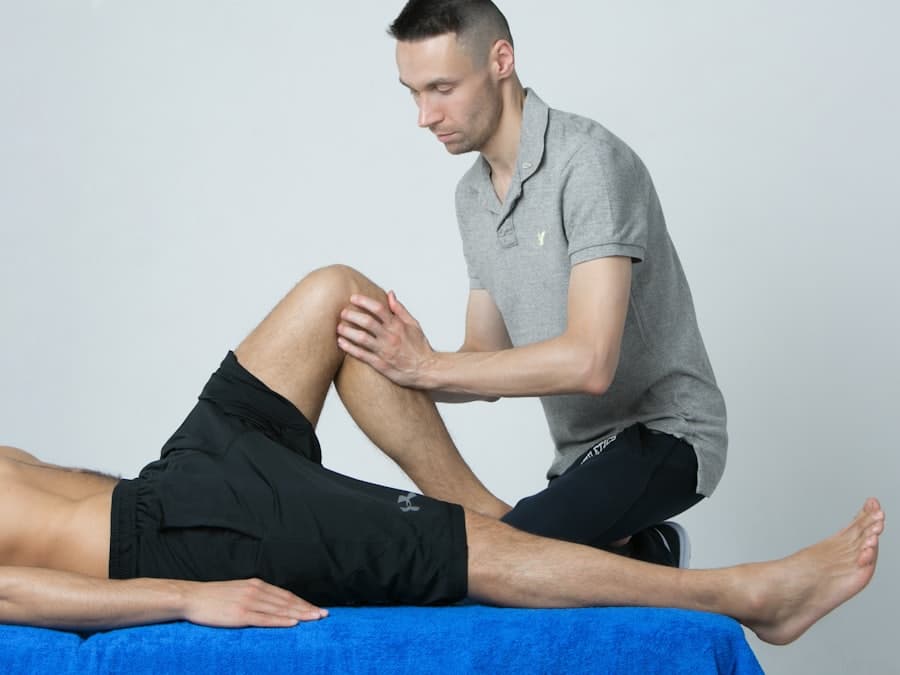
Signs of a muscular picture
Pain concentrates in the lower back, buttock and upper thigh. Even when it spreads, it does not go below the knee or reach the foot.
It increases with a particular movement and eases with a change of position. Being stiff in the morning and loosening with movement is typical.
Reproducing the familiar pain by pressing the relevant muscle on examination is the strongest indicator of a muscular source.
Signs of nerve root involvement
Pain starts in the lower back and travels below the knee along the back or side of the leg, with numbness and tingling in the foot and toes.
Coughing, sneezing and straining markedly increase the leg pain. This finding is not seen in a muscular picture.
Difficulty lifting the ankle, rising onto the toes or walking on the heels indicates objective weakness and requires assessment without delay.
Urgent findings and imaging
Changes in bladder or bowel control, loss of sensation in the inner thighs and weakness in both legs are urgent. Waiting is unacceptable there.
In patients without neurological signs whose pain is reproducible on examination, imaging usually does not change treatment.
With fever, unexplained weight loss, a history of cancer or new-onset pain over fifty-five, the imaging decision is taken without delay.
Key points
- Most back pain is muscular and joint-related.
- Pain below the knee with foot numbness indicates nerve involvement.
- Leg pain increasing with coughing is not seen in a muscular picture.
- Reproducing the familiar pain on pressure indicates a muscular source.
- Changes in bladder or bowel control are urgent.
Frequently asked questions
Can both be present?
They often are. Patients with nerve root involvement develop protective tension and trigger points in the surrounding muscles; the programme targets both.
How long can I wait?
Absent warning signs, waiting four to six weeks is appropriate in mechanical back pain. Staying active speeds recovery in that period.
Can muscular pain turn into a herniation?
There is no direct conversion. Heavy loading sustained with weak trunk and hip muscles can raise disc load and increase risk, however.
Related articles
- Diagnosis and symptoms· 6 min readIs back pain radiating to the buttock always a herniation?
- Treatment course· 6 min readTreating myofascial lower back pain and preventing recurrence
- Exercise· 6 min readStretches and ball work for back and hip trigger points
- Daily living· 6 min readHow prolonged sitting affects the back and hip muscles
Other topics in the same region
- Diagnosis and symptoms· 6 min readLumbar disc herniation symptoms: which pain points to a disc?
- Diagnosis and symptoms· 6 min readWhat is lumbar flattening and what does it mean on an X-ray?
- Diagnosis and symptoms· 6 min readWhat is degenerative disc disease, and why is the name misleading?
- Diagnosis and symptoms· 6 min readSacroiliac joint pain: the point beside the tailbone
Articles of a similar kind
- Treatment decision· 6 min readIs surgery necessary for a disc herniation? The criteria that decide
- Treatment decision· 6 min readIs surgery necessary for a cervical herniation? The findings that decide
- Treatment decision· 6 min readIs cervical flattening serious? When assessment is needed
- Treatment decision· 6 min readWhat criteria the surgical decision rests on in scoliosis
This content is for information only and does not replace medical diagnosis or treatment. Response to treatment varies between individuals. Please consult a healthcare professional about your symptoms.