
Treatment course6 min read
Treating interscapular pain: why endurance, not strength
The most common error in interscapular pain is trying to strengthen the muscles with heavy load. The problem here is not a lack of strength but an inability to carry hours of low-intensity load. The programme is built on that distinction.
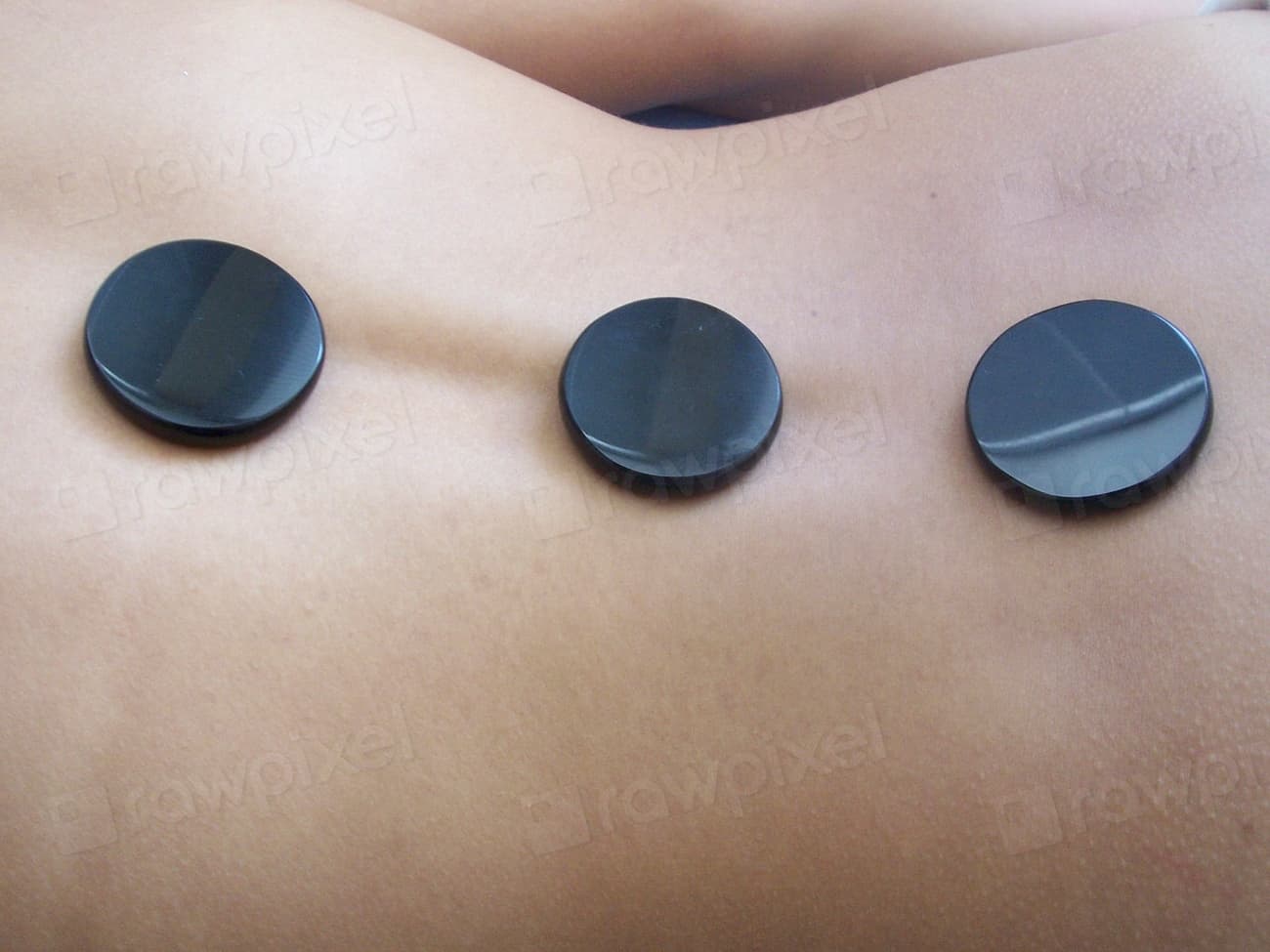
Releasing tension
Soft tissue techniques and ischaemic compression over the rhomboid and mid-trapezius region release trigger points. Clear relief is expected in the first session.
The muscles beneath the shoulder blade are hard to reach by hand. Positioning the arm draws the blade away from the spine and gives access to the area.
Dry needling is used for stubborn points. Needle depth and angle require particular care here because of the proximity of the lung, and experienced application is essential.
Thoracic mobility
Stiffening of the thoracic spine disturbs the surface the shoulder blade glides on. Scapular control does not improve without increasing thoracic extension and rotation.
Shortened structures at the front of the chest are opened. That tightness, pulling the shoulders forward, keeps the interscapular muscles under constant tension.
Exercise in the first hours after mobilisation preserves the range gained. The two are combined in the same session.
Endurance training and timeline
The scapular stabilisers are trained at low load for long durations. The target is endurance sufficient to hold the blade in position all day.
Heavy back training usually increases symptoms here. As load rises the upper trapezius dominates and the intended muscles are bypassed.
Pain reduces within the first two to three sessions; measurable gains in endurance take six to eight weeks. The programme typically runs six to ten sessions.
Key points
- The muscles here are fatigued rather than weak.
- Heavy strength work usually increases symptoms.
- Arm position is changed to reach the muscles beneath the blade.
- Needle depth and angle require particular care here.
- Scapular control does not improve without thoracic mobility.
Frequently asked questions
Is dry needling risky in the upper back?
It requires technical care in the rib spaces because of proximity to the lung. Applied with anatomical knowledge and the correct angle it is safe; experience matters in this region.
Is massage between the shoulder blades enough?
It is comforting but not lasting. As the static load on the muscle is unchanged, tension returns within days; endurance work must be added.
Should I do weight training?
It is added gradually once endurance is built. Heavy load early on lets the upper trapezius dominate and the intended muscles do not work.
Related articles
- Diagnosis and symptoms· 6 min readBurning between the shoulder blades: cause and meaning
- Exercise· 6 min readExercise for the interscapular region: from release to endurance
- Treatment decision· 6 min readWhen upper back pain does not go away: what to do next
- Daily living· 6 min readWorking setup and daily habits in interscapular pain
Other topics in the same region
- Diagnosis and symptoms· 6 min readWhat is scoliosis and how is it noticed?
- Diagnosis and symptoms· 6 min readWhat is kyphosis? Is a hunched back the same as poor posture?
- Diagnosis and symptoms· 6 min readWhat is a thoracic disc herniation and what are its symptoms?
- Diagnosis and symptoms· 6 min readLocking in the upper back and pain on breathing: a facet joint problem
Articles of a similar kind
- Treatment course· 7 min readNon-surgical treatment for a lumbar disc herniation: how the process works
- Treatment course· 6 min readNon-surgical cervical herniation treatment: stages and timeline
- Treatment course· 6 min readTreating cervical flattening: the target is endurance, not the angle
- Treatment course· 6 min readScoliosis treatment: exercise, bracing and the monitoring decision
This content is for information only and does not replace medical diagnosis or treatment. Response to treatment varies between individuals. Please consult a healthcare professional about your symptoms.