
Daily living6 min read
Desk setup and daily habits in cervical flattening
The most common reason symptoms persist in cervical flattening is that the position occupied for most of the day has not changed, despite the exercises being done. The adjustments below protect in-session gains through the day.
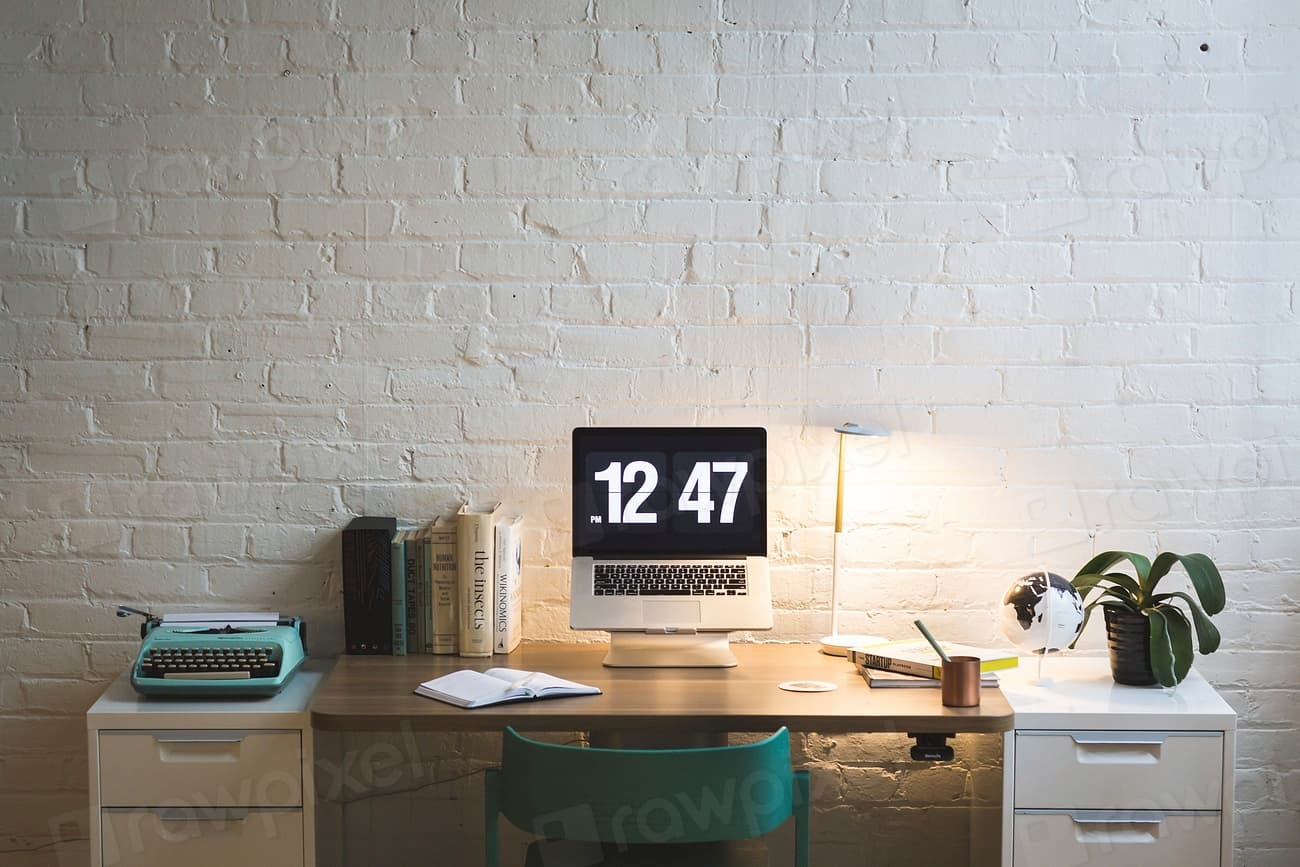
Screen, keyboard and arm support
The top edge of the screen should sit at eye level or a finger's width below. Working directly on a laptop cannot meet this; a riser with a separate keyboard and mouse is required.
Elbows should be at roughly ninety degrees and supported. Unsupported arms require the shoulder girdle muscles to work continuously, and that load transfers directly to the neck.
The screen should be directly in front rather than to one side. Working turned in one direction all day creates asymmetric load on one side of the neck.
Phone use and break rhythm
When the head tilts forward to look at a phone, neck load rises markedly. Raising the phone above chest height reduces that load directly and is the easiest change to make during the day.
Standing up every forty-five to sixty minutes is more effective than one long break. Interrupting static load allows the muscles to recover.
Looking at a phone while seated makes a break useless. A short walk or a few shoulder movements is enough.
Sleep and pillow
A pillow should be high enough to fill the shoulder width when side-lying. Too low bends the neck sideways, too high pushes it forward — both produce morning stiffness.
A thinner pillow is needed when lying on the back. For those using both positions, a medium-height pillow that holds its shape is preferred.
Sleeping face down holds the neck fully rotated for hours and markedly increases symptoms. Gradually moving away from this position is advised.
Key points
- The top of the screen should be at eye level; laptops should not be used directly.
- Unsupported arms keep the shoulder girdle working and load the neck.
- Raising the phone is the easiest and most effective change.
- Short, frequent breaks beat one long break.
- Pillow height should fill the shoulder width when side-lying.
Frequently asked questions
Does a standing desk help?
Its benefit comes less from standing than from allowing a change of position. Standing all day creates its own problems; alternating sitting and standing is appropriate.
Should I use a collar?
Routine use is not recommended. A collar reduces muscle work and over time leads to loss of endurance. It is used only after trauma, on medical advice, for a limited period.
Is an ergonomic chair essential?
Not essential. Screen height, arm support and break rhythm matter more than the chair model. With those three in place, good results follow with an ordinary chair.
Related articles
- Diagnosis and symptoms· 6 min readWhat is cervical flattening and what does it mean on an X-ray?
- Treatment course· 6 min readTreating cervical flattening: the target is endurance, not the angle
- Exercise· 6 min readExercises for cervical flattening: what actually works
- Treatment decision· 6 min readIs cervical flattening serious? When assessment is needed
Other topics in the same region
- Diagnosis and symptoms· 6 min readCervical disc herniation symptoms: what arm pain means
- Diagnosis and symptoms· 6 min readTension-type headache: symptoms and how it differs from migraine
- Diagnosis and symptoms· 6 min readPain radiating from neck to arm: what is cervical radiculopathy?
- Diagnosis and symptoms· 6 min readWhat is cervical spondylosis? Is neck arthritis serious?
Articles of a similar kind
- Daily living· 6 min readDaily life with a disc herniation: how to sleep and how to sit
- Daily living· 6 min readSleep and pillow selection with a cervical herniation
- Daily living· 6 min readDaily life with scoliosis: sleep, bags, sport and work
- Daily living· 6 min readStairs, squatting and daily movement with a meniscus tear
This content is for information only and does not replace medical diagnosis or treatment. Response to treatment varies between individuals. Please consult a healthcare professional about your symptoms.