
Treatment course6 min read
Who is lumbar stabilisation training for?
Lumbar stabilisation training is a core component of programmes for chronic and recurrent back pain. Its aim is not to reduce pain directly but to prevent recurrence by enabling the spine to carry daily load in a controlled way.
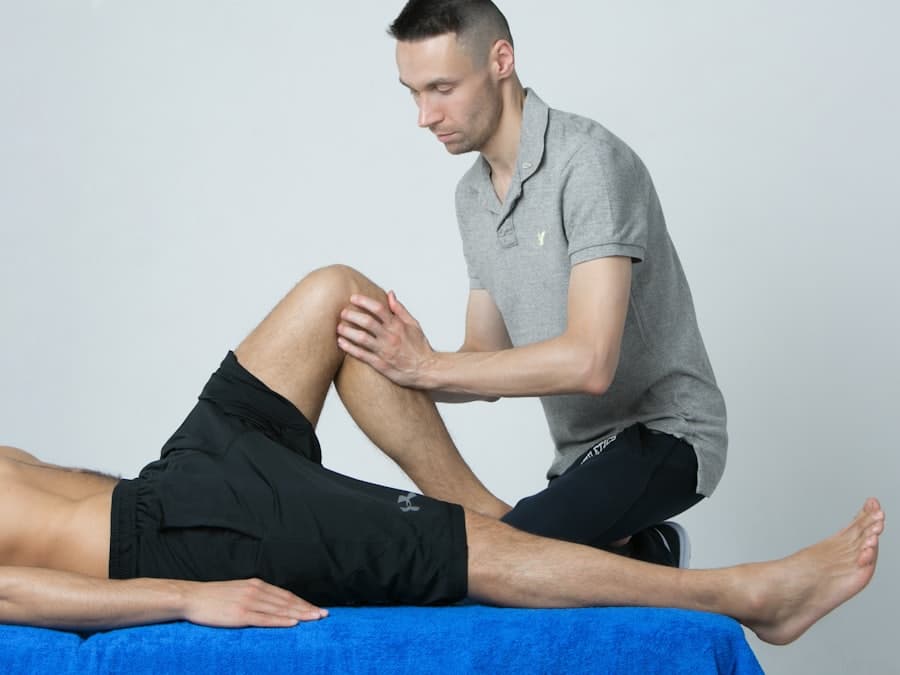
Who it is for
The clearest benefit is in people with recurrent back pain. In pictures recurring several times a year, the programme reduces that frequency.
It is particularly important in post-surgical rehabilitation and in conditions involving instability such as spondylolisthesis.
It is applied preventively in occupations involving heavy lifting, where it serves to build capacity rather than treat.
Programme stages
Stage one teaches activation of the deep muscles, in low-load positions such as supine and prone.
Stage two moves the arms and legs while the trunk stays still. The bird-dog and dead bug are the core exercises here.
Stage three carries control into daily and sporting movements. Lifting, squatting and rotating are performed while maintaining stabilisation.
Evidence and expectations
There is evidence that stabilisation training reduces pain and improves function in chronic back pain. A clear superiority over other exercise types has not been shown in every study.
This does not make the programme worthless. In patients with marked loss of control, targeted work gives faster results.
Measurable gains in endurance take six to eight weeks. The programme usually runs 8–12 sessions and continues at home.
Key points
- The clearest benefit is in recurrent back pain.
- The programme runs in three stages: activation, movement with a still trunk, transfer to daily movement.
- Clear superiority over other exercise types is not shown in every study.
- It gives faster results where loss of control is marked.
- Measurable endurance gains take six to eight weeks.
Frequently asked questions
Is it the same as pilates?
There is overlap but they are not the same. Clinical stabilisation training rests on assessment and is built around the specific loss of control found; pilates is a general method.
Can it start while in pain?
Yes. Stage one is very low-load and is usually tolerated even acutely. Load is increased progressively according to the pain response.
How long should I continue?
Continuing in a shortened form after the programme ends is advised. Short sessions two or three times a week suffice for most people to maintain gains.
Related articles
- Diagnosis and symptoms· 6 min readWhat is the core? Are abdominal muscles and stabilisation the same?
- Exercise· 6 min readStabilisation exercises: correct application and progression
- Daily living· 6 min readCorrect lifting technique and daily load management
- Treatment decision· 6 min readPreventing back pain recurrence: what is the evidence?
Articles of a similar kind
- Treatment course· 7 min readNon-surgical treatment for a lumbar disc herniation: how the process works
- Treatment course· 6 min readNon-surgical cervical herniation treatment: stages and timeline
- Treatment course· 6 min readTreating cervical flattening: the target is endurance, not the angle
- Treatment course· 6 min readScoliosis treatment: exercise, bracing and the monitoring decision
This content is for information only and does not replace medical diagnosis or treatment. Response to treatment varies between individuals. Please consult a healthcare professional about your symptoms.