
Exercise6 min read
Lumbar flattening exercises: endurance or flexibility?
Most exercises recommended for lumbar flattening are stretches. In this picture, however, the problem is usually not a lack of flexibility but the trunk's inability to carry load in a controlled way. The programme is built on that distinction.
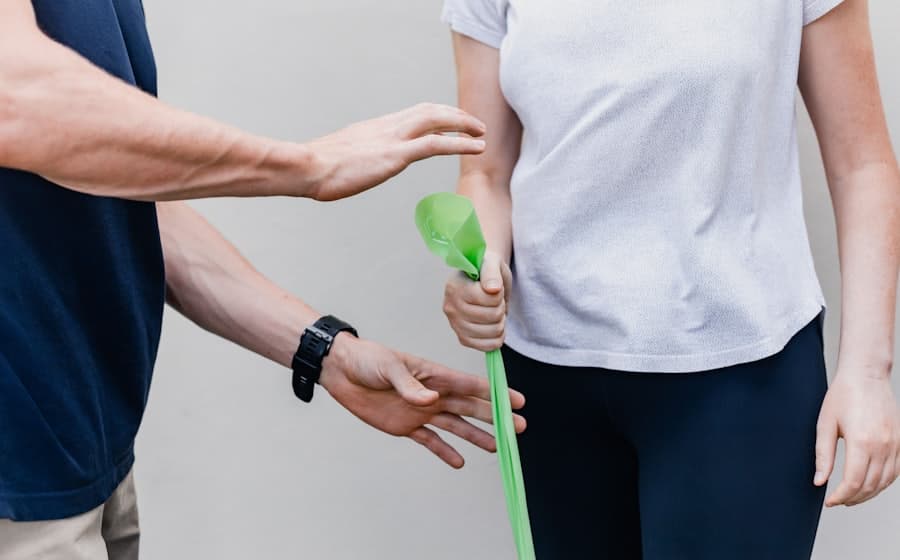
Trunk endurance
Isometric work targeting the endurance of the abdominal and back muscles forms the core of the programme. These muscles stabilise the spine during movement and prevent load concentrating at one segment.
Work is done in a neutral lumbar position — neither excessively arched nor fully flattened. The aim is to hold that range under load.
Hold times are progressively lengthened and difficulty increased by changing position. Lengthening the lever arm rather than adding weight preserves the intended muscle layer.
Hip mobility
Flexibility of the hip flexors and the posterior group is assessed separately. Restriction here makes the lower back work extra during bending and rising.
As movement from the hip increases, movement demanded of the back decreases. This shift accumulates over hundreds of daily repetitions into a marked difference.
Stretching is concentrated at the hip rather than the back. Excessive stretching of the lower back, while relieving, can increase segmental load.
Common mistakes
The classic sit-up applies high pressure to the lumbar discs and is not advised here. Isometric work in a neutral position is preferred instead.
Forcing a stretch while in pain increases protective muscle spasm. Gentle movement and walking are more suitable in the acute phase.
Exercising only when in pain does not give a lasting result. Continuing the programme in pain-free periods markedly reduces recurrence.
Key points
- The target in the lower back is endurance, not flexibility.
- Work is done in a neutral lumbar position.
- Progression comes from lengthening the lever arm, not adding weight.
- As hip mobility increases, movement demanded of the back decreases.
- The classic sit-up is not advised in this picture.
Frequently asked questions
Can I do planks?
Yes, as long as a neutral position is maintained, and it is often used here. If the back arches or the hips drop, shorten the hold or perform it from the knees.
How often should I exercise?
Once a day, regularly, suffices for most patients. In endurance work, frequency matters more than the intensity of a single session.
Should I continue if I feel pain?
Mild discomfort that settles quickly afterwards is acceptable. If pain sharpens during exercise or carries into the next day, the load is excessive and the programme is eased.
Related articles
- Diagnosis and symptoms· 6 min readWhat is lumbar flattening and what does it mean on an X-ray?
- Treatment course· 6 min readTreating lumbar flattening: what the programme targets
- Treatment decision· 6 min readIs imaging needed in lumbar flattening?
- Daily living· 6 min readSitting setup and correct lifting technique in lumbar flattening
Other topics in the same region
- Diagnosis and symptoms· 6 min readLumbar disc herniation symptoms: which pain points to a disc?
- Diagnosis and symptoms· 6 min readIs back pain radiating to the buttock always a herniation?
- Diagnosis and symptoms· 6 min readWhat is degenerative disc disease, and why is the name misleading?
- Diagnosis and symptoms· 6 min readSacroiliac joint pain: the point beside the tailbone
Articles of a similar kind
- Exercise· 7 min readDisc herniation exercises: which help and which to avoid
- Exercise· 6 min readCervical herniation exercises: what is safe and what to avoid
- Exercise· 6 min readExercises for cervical flattening: what actually works
- Exercise· 6 min readScoliosis exercises: why one programme does not fit everyone
This content is for information only and does not replace medical diagnosis or treatment. Response to treatment varies between individuals. Please consult a healthcare professional about your symptoms.