
Treatment course6 min read
What physiotherapy does in tension-type headache
In tension-type headache, medication temporarily reduces pain but does not address its source. In neck-related cases, physiotherapy offers a programme aimed at lastingly reducing the frequency and intensity of pain.
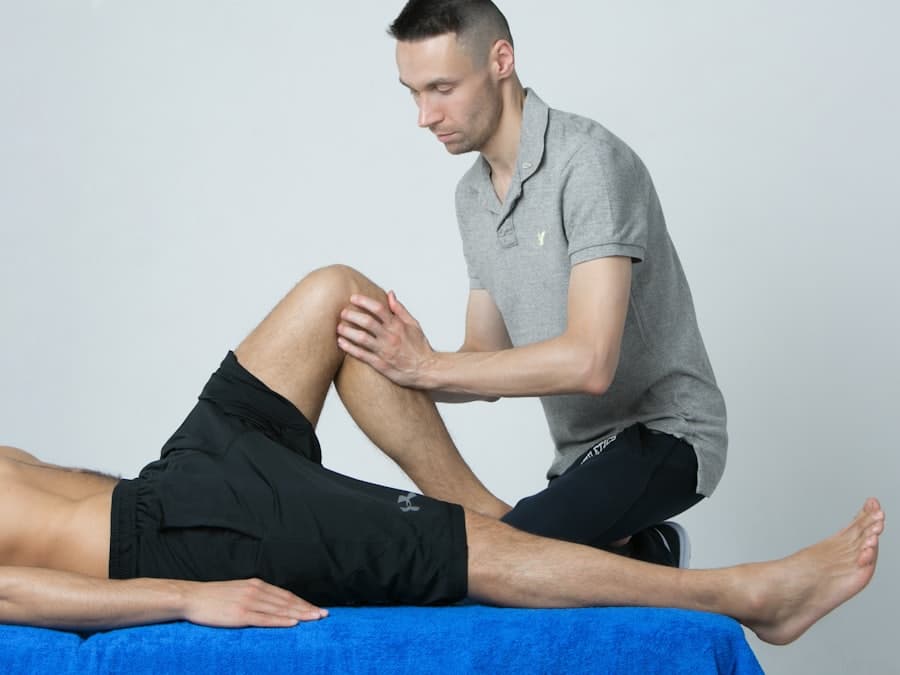
Assessment: confirming the source of pain
The first step is confirming the headache originates in the neck. The most meaningful finding is reproduction of the patient's familiar pain during pressure on the upper cervical segments.
Neck range is measured in six directions and restricted directions recorded. This measurement guides both the treatment plan and progress tracking.
Endurance of the deep neck flexors is tested. Weakness here is frequently found in people with tension-type headache and forms the programme's main target.
Application: hands-on treatment and trigger points
Hands-on release of the suboccipital muscles at the base of the skull brings noticeable relief in the first session for many patients. This region is the most frequent source of referred headache.
Mobilisation of the upper cervical segments reduces movement restriction. As range increases, the muscles no longer have to work in a constant protective state.
Dry needling can be used for stubborn trigger points. It produces rapid release but does not last alone and is planned alongside exercise.
Exercise and timeline
Endurance training of the deep neck flexors is the core of the programme. When these muscles carry the head, the surface muscles no longer work continuously and the load producing headache disappears.
Strengthening the scapular stabilisers and opening thoracic mobility completes the programme. Neck load does not fall permanently without improved shoulder girdle control.
A clear reduction in headache frequency is usually seen within four to six weeks. The programme typically runs 8–10 sessions, and home exercise matters more than session count.
Key points
- The aim is not to suppress pain but to remove the load producing it.
- Reproduction of familiar pain on examination confirms a neck origin.
- Suboccipital release can bring noticeable relief in the first session.
- Deep neck flexor endurance is the core of the programme.
- Clear reduction in frequency is usually seen within four to six weeks.
Frequently asked questions
How many sessions are needed?
Eight to ten sessions suffice for most patients. Duration, frequency and accompanying neck restriction affect this number, and progress is tracked with measurement each session.
Is manual therapy safe?
It is safe when applied after assessment. Controlled mobilisation is preferred over high-velocity manipulation in the neck, and technique is selected accordingly in people with vascular risk factors.
Does physiotherapy help in migraine too?
It does not treat migraine itself. A significant proportion of migraine patients have an additional neck-related pain component, however, and treating it can reduce attack frequency and intensity.
Related articles
- Diagnosis and symptoms· 6 min readTension-type headache: symptoms and how it differs from migraine
- Exercise· 6 min readNeck exercises for headache: what each exercise targets
- Treatment decision· 6 min readWhen does headache require assessment?
- Daily living· 6 min readScreen use, sleep and daily routine in headache
Other topics in the same region
- Diagnosis and symptoms· 6 min readCervical disc herniation symptoms: what arm pain means
- Diagnosis and symptoms· 6 min readWhat is cervical flattening and what does it mean on an X-ray?
- Diagnosis and symptoms· 6 min readPain radiating from neck to arm: what is cervical radiculopathy?
- Diagnosis and symptoms· 6 min readWhat is cervical spondylosis? Is neck arthritis serious?
Articles of a similar kind
- Treatment course· 7 min readNon-surgical treatment for a lumbar disc herniation: how the process works
- Treatment course· 6 min readNon-surgical cervical herniation treatment: stages and timeline
- Treatment course· 6 min readTreating cervical flattening: the target is endurance, not the angle
- Treatment course· 6 min readScoliosis treatment: exercise, bracing and the monitoring decision
This content is for information only and does not replace medical diagnosis or treatment. Response to treatment varies between individuals. Please consult a healthcare professional about your symptoms.