
Treatment course6 min read
Treatment and programme for sacroiliac joint pain
The sacroiliac joint is stabilised by being compressed by the surrounding muscles. When that support is inadequate, shear develops between the joint surfaces and pain appears. The programme aims to build that support.
The acute phase
Movements creating asymmetric load are temporarily reduced: standing on one leg, sitting cross-legged and walking with long strides.
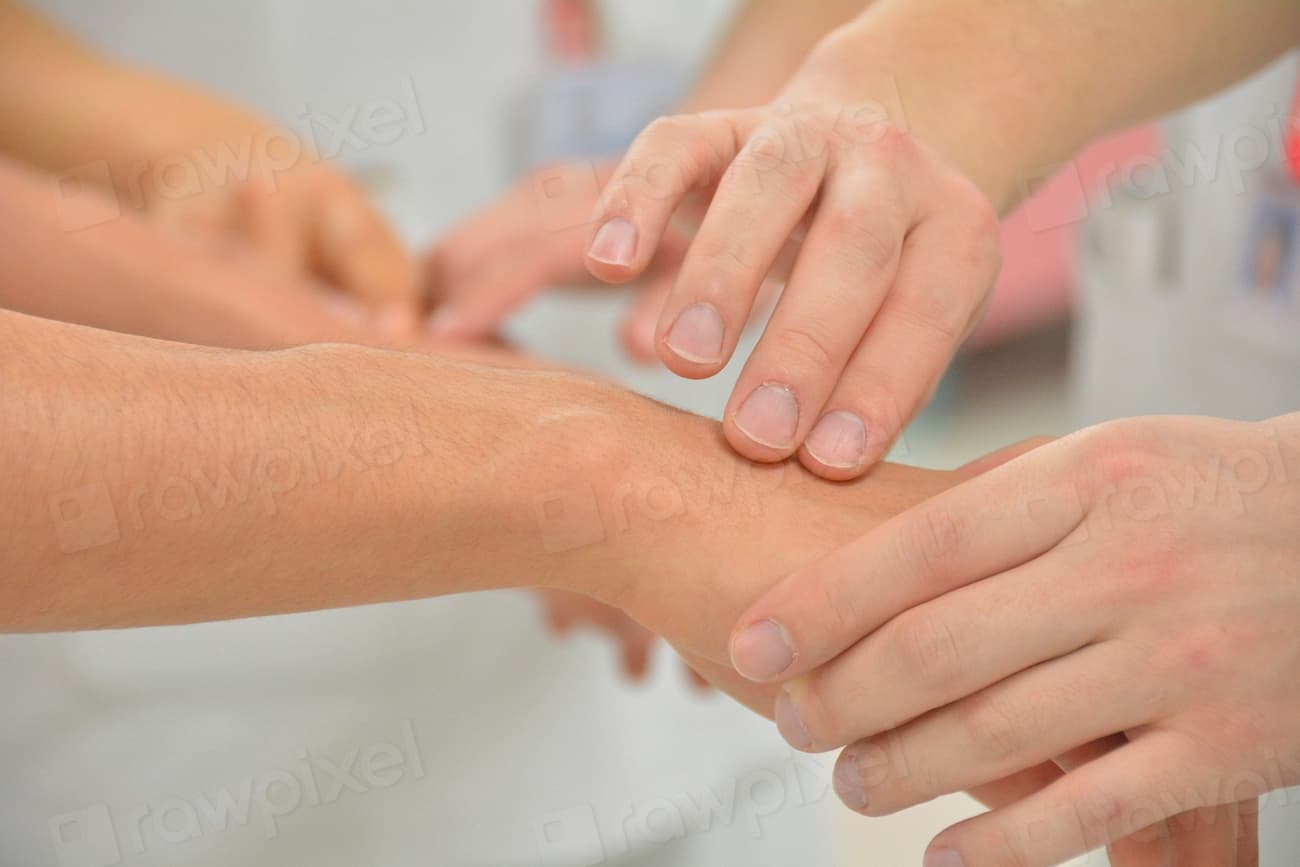
Manual therapy releases muscle tension around the joint and pelvic alignment is assessed. This stage brings rapid relief.
A sacroiliac belt can give temporary support acutely. It is fitted just below the hip prominences and used briefly; prolonged use reduces muscular support.
Strengthening
The lateral hip group and deep trunk muscles are central. When they contract they compress the two halves of the pelvis together and stabilise the joint.
Single-leg balance and control work is added. The pelvis not dropping on one leg is the most meaningful functional goal here.
Strengthening the posterior hip group shifts load from the back to the hip. Bridges and hip hinges are the core exercises.
Timeline and recurrence
A clear reduction in pain is usually seen within two to four weeks. The programme typically runs six to ten sessions.
Recurrence is normal when asymmetric loading habits persist. The programme therefore includes changing daily habits, not just strength.
The programme is adapted in pregnancy and postpartum. Hormonal laxity in that period makes the strength component even more decisive.
Key points
- The joint is stabilised by compression from the surrounding muscles.
- A belt is used briefly; prolonged use reduces muscular support.
- The pelvis not dropping on one leg is the key functional goal.
- Clear reduction is usually seen within two to four weeks.
- The picture recurs if asymmetric loading habits persist.
Frequently asked questions
Is an injection needed?
Usually not. An intra-articular injection can arise in selected patients where the diagnosis needs confirming or there is no response to conservative treatment.
Is manipulation performed?
It can be applied in selected patients and give rapid relief. Its effect is short-lived, however, and the picture recurs without strengthening.
Is walking helpful?
Walking on level ground with short strides is usually well tolerated and advised. Long strides and a fast pace can increase shear; slow the pace acutely.
Related articles
- Diagnosis and symptoms· 6 min readSacroiliac joint pain: the point beside the tailbone
- Exercise· 6 min readSacroiliac joint exercises: a stability-focused programme
- Treatment decision· 6 min readWhen is inflammatory disease investigated in sacroiliac pain?
- Daily living· 6 min readSleep, sitting and daily movement in sacroiliac pain
Other topics in the same region
- Diagnosis and symptoms· 6 min readLumbar disc herniation symptoms: which pain points to a disc?
- Diagnosis and symptoms· 6 min readWhat is lumbar flattening and what does it mean on an X-ray?
- Diagnosis and symptoms· 6 min readIs back pain radiating to the buttock always a herniation?
- Diagnosis and symptoms· 6 min readWhat is degenerative disc disease, and why is the name misleading?
Articles of a similar kind
- Treatment course· 7 min readNon-surgical treatment for a lumbar disc herniation: how the process works
- Treatment course· 6 min readNon-surgical cervical herniation treatment: stages and timeline
- Treatment course· 6 min readTreating cervical flattening: the target is endurance, not the angle
- Treatment course· 6 min readScoliosis treatment: exercise, bracing and the monitoring decision
This content is for information only and does not replace medical diagnosis or treatment. Response to treatment varies between individuals. Please consult a healthcare professional about your symptoms.