
Clinical Approach
Every step of the programme rests on a measurement.
In musculoskeletal complaints, two patients with the same diagnosis do not need the same programme. What matters is not the name of the diagnosis but the movement and loading pattern producing the pain. This page sets out the protocol followed in clinic and what is measured at each stage.
01Clinical Approach
A three-stage clinical protocol based on measurement, not assumption.
Pain is a symptom; the clinical objective is to identify the movement and loading fault producing it. The programme is revised according to the measurements recorded at each session.
 01
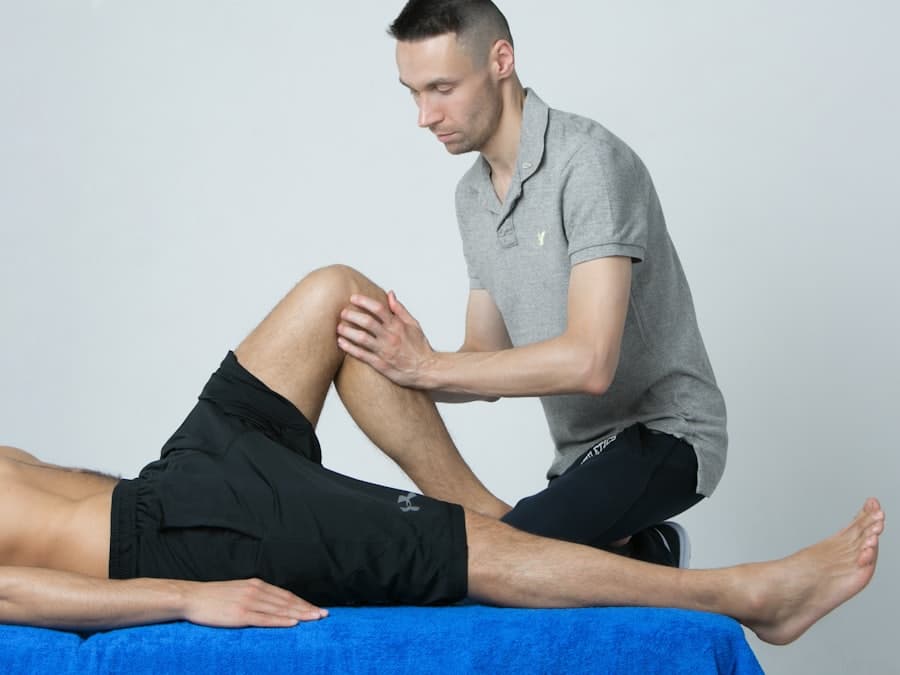
Assessment & Analysis
Detailed history, posture and movement analysis, orthopaedic testing. Your MRI and X-ray reports are read alongside clinical findings — an image alone is not a diagnosis.
 02
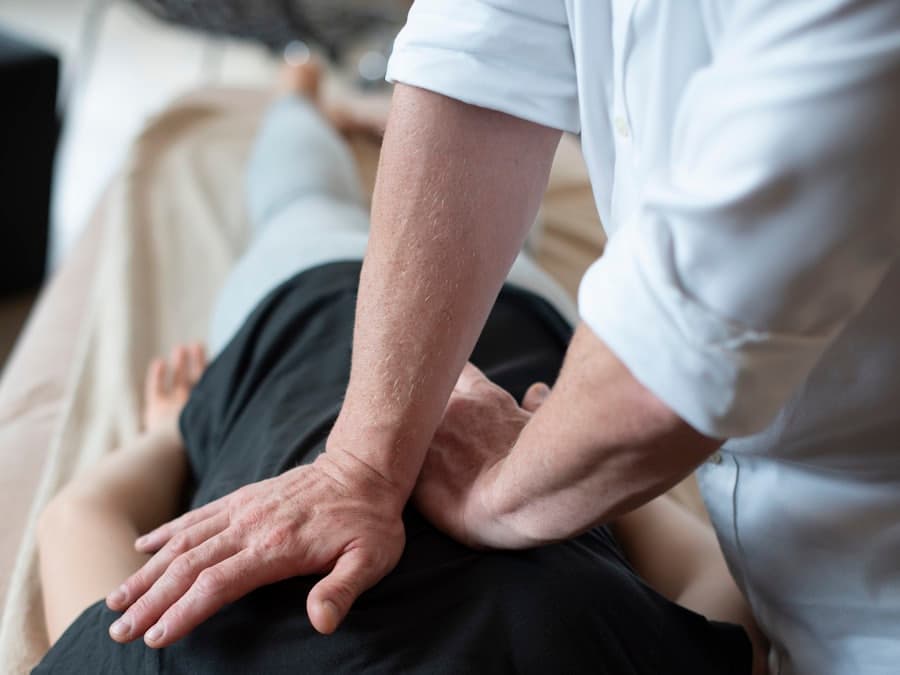
Manual Therapy & Clinical Exercise
Pain is reduced through joint mobilisation, soft tissue techniques and, where indicated, dry needling. The tissue is then reconditioned to tolerate load through graded exposure.
 03
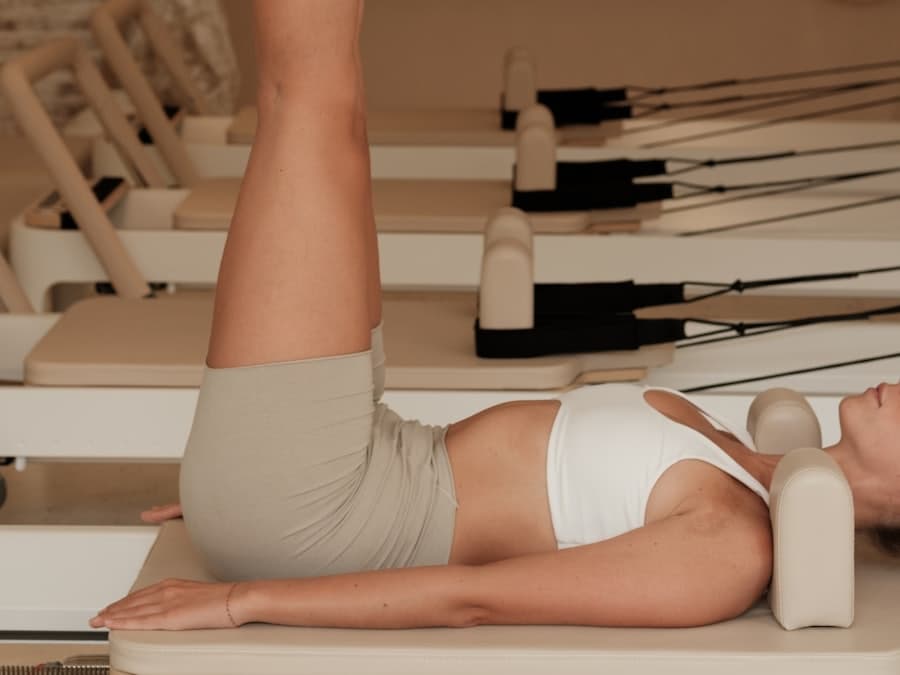
Measure, Track & Protect
Pain score, range of motion and functional tests are recorded each session. Gains are locked in with a home programme you can realistically sustain.
Working principles
- 01
An image alone is not a diagnosis
MRI and X-ray reports are interpreted alongside clinical findings. Degenerative findings are present without pain in most people over forty; for a finding to be meaningful, symptoms, examination and imaging must align.
- 02
Pain is a symptom, not the target
Suppressing pain alone does not give a lasting result. The clinical target is identifying the loading error producing the pain and building the tissue's capacity to carry that load.
- 03
Passive treatment is not sufficient alone
Manual therapy and electrotherapy bring rapid relief, but their effects are time-limited. Durability comes from the exercise programme begun in the same session and continued at home.
- 04
Progress is recorded, not recalled
Pain score, range of motion and functional tests are recorded in writing each session. The programme is updated from those records; judging progress is not left to impression.
What is measured
Measurements taken at the start of each session determine the content of the next. A variable that is not measured cannot be said to have improved.
Pain score
Recorded separately at rest, with movement and at night. Not only intensity but which movement triggers the pain is noted.
Range of motion
Measured with a goniometer in all directions at the relevant region. Restricted directions and change between sessions are tracked.
Muscle strength and endurance
The affected side is compared with the other. A ninety per cent threshold is used as a criterion in return-to-sport decisions.
Functional tests
Everyday movements such as squatting, single-leg balance, stairs and lifting are tested in a standard way, with results related directly to daily life.
What to expect
- 01
First session
Around 60 minutes. History is taken, posture and movement analysed and orthopaedic tests applied. At the end, findings, an estimated timeline and the programme plan are shared with you openly.
- 02
The programme
Follow-up sessions are 45–60 minutes and run one-to-one. Measurements are repeated and the home programme updated each session. Six to ten sessions usually suffice in acute complaints.
- 03
Discharge
The programme ends when measurement targets are met. A shortened home programme to maintain gains, and the steps to follow if symptoms recur, are provided in writing.
The limits of physiotherapy
Physiotherapy is not the first option in every presentation. Where assessment finds progressive weakness, unexplained weight loss, pain with fever, severe pain not relieved by rest at night, or changes in bladder or bowel control, the programme is not started and a medical referral is made. Declining to take on an unsuitable patient is also part of clinical judgement.
- Progressive muscle weakness, dropping objects or dragging a foot
- Changes in bladder or bowel control, loss of sensation in the inner thighs
- Pain accompanied by fever, night sweats or unexplained weight loss
- Severe pain not relieved by rest that wakes you from sleep
- Pain starting after significant trauma that prevents weight-bearing
- Unsteady walking, loss of fine hand dexterity or changes in speech
03Method
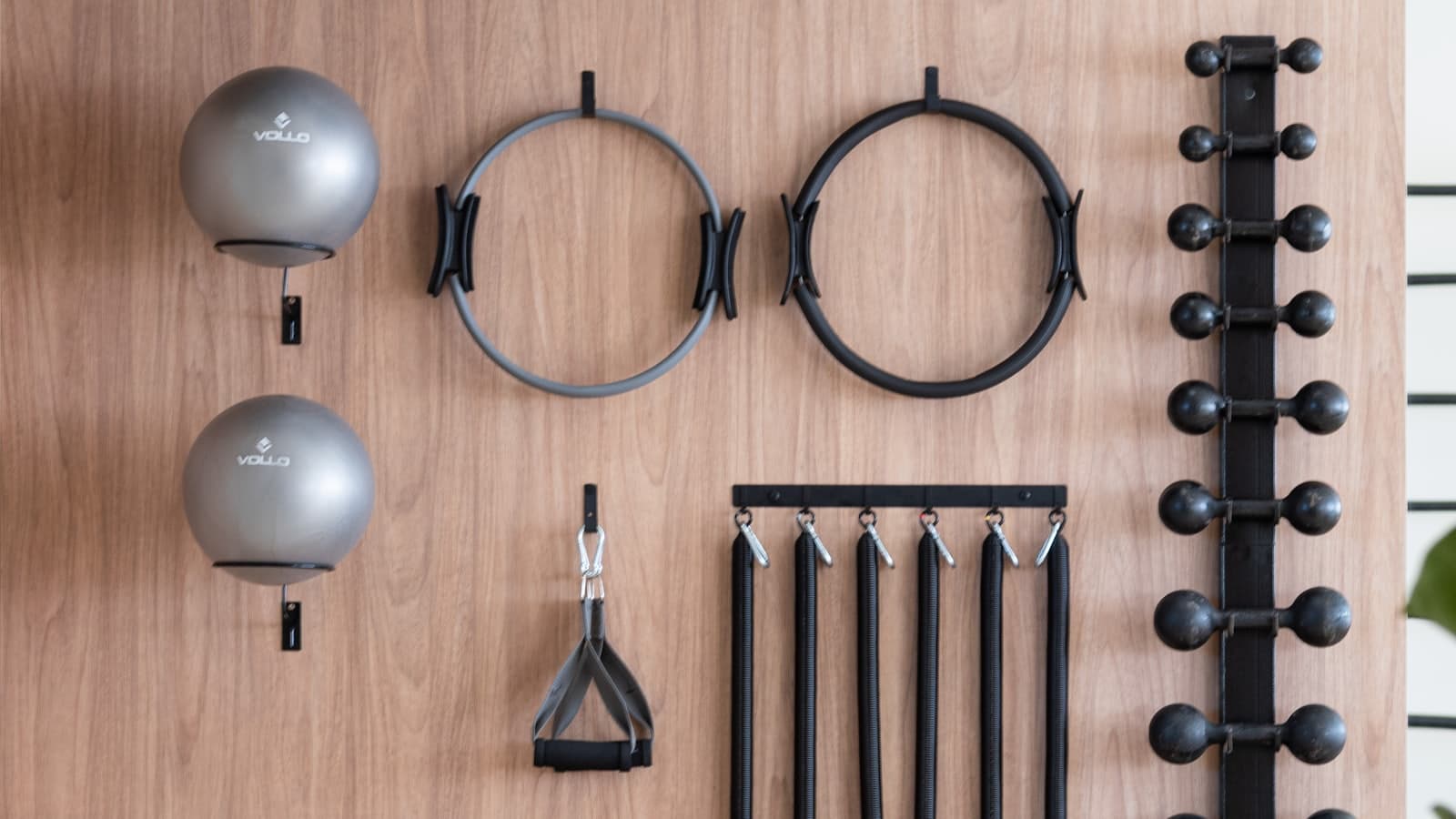
The components of the treatment programme.
No single technique resolves every problem. Methods are combined according to diagnosis, and none replaces the programme as a whole.
Manual Therapy
Joint mobilisation and soft tissue techniques restore restricted motion and reduce pain quickly.
Clinical Exercise
An individualised programme built on graded loading, with progression tracked by measurement.
Dry Needling
Targets deep, stubborn pain by releasing muscular tension at myofascial trigger points.
Posture & Movement Analysis
Makes visible the loading faults in your daily, occupational and sporting movement.
Physical Therapy Modalities
Complementary tools for pain and swelling control — part of the programme, never a substitute for it.
Home Programme & Education
A simple, sustainable plan you can follow from your phone that protects what you gained in clinic.
08FAQ
Frequently asked questions regarding the treatment process.
What happens in the first session?
How many sessions are required?
Is a doctor's referral required?
How long is each session?
When should treatment begin after surgery?
Assessment appointment
No referral is required for assessment. Enquiries regarding Clinical Approach may be submitted via WhatsApp; available dates and times will be provided in response.