
Exercise6 min read
Stabilisation exercises: correct application and progression
Stabilisation exercises look simple but require technique. The most common error is producing the movement from the trunk, which inverts the exercise's purpose.
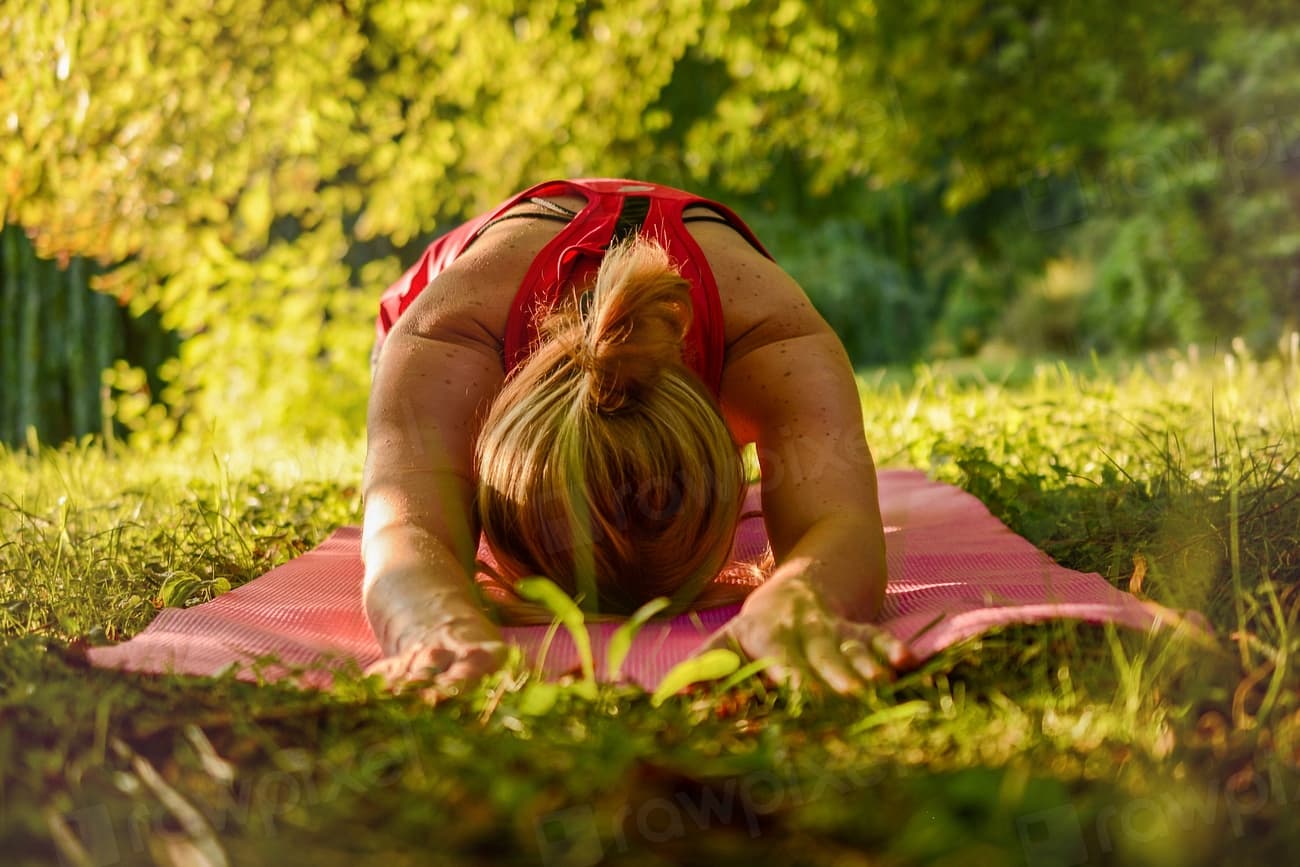
The core movements
Dead bug: lying supine, slowly extend the opposite arm and leg. The gap between the lower back and floor must not change; if it increases, shorten the movement.
Bird-dog: in four-point kneeling, extend the opposite arm and leg. The trunk must not rotate and the hip must not shift sideways — steady enough that a glass on the lower back would not tip.
Side bridge: lying on your side, lift the trunk on the elbow and knees. The hip must not drop and the body should form a straight line.
Progression criteria
When a movement can be held for thirty seconds without losing control, move to the next difficulty level. The criterion is duration, not repetitions.
Difficulty is increased by lengthening the lever arm rather than adding weight: working on the feet instead of the knees, reaching the arm further.
Control stays the priority at every stage. If control breaks down while extending duration, step back; time spent in poor form gains nothing.
Common mistakes
Holding the breath is the most common error. As the diaphragm is part of this system, breath-holding disrupts stabilisation rather than building it. Breathe freely.
Pulling the stomach in excessively is also common. A light, natural contraction suffices; excessive contraction blocks breathing and accelerates fatigue.
Moving quickly removes the exercise's purpose. Slow, controlled tempo is where this programme's effect comes from.
Key points
- The measure of success is hold time, not repetitions.
- In the dead bug the gap under the lower back must not change.
- Difficulty increases by lengthening the lever, not adding weight.
- Breath-holding disrupts stabilisation; breathe freely.
- Time spent in poor form gains nothing.
Frequently asked questions
How often should I do these?
Once a day regularly suffices for most people. In endurance work, frequency matters more than the intensity of a single session.
Can I do sit-ups?
The classic sit-up applies high pressure to the lumbar discs and is not advised in people with back pain. Isometric work in neutral trains the same muscles more safely.
What if my back hurts during the exercise?
Narrow the range or move to an easier variation. Pain can signal control being lost; slow down and try again.
Related articles
- Diagnosis and symptoms· 6 min readWhat is the core? Are abdominal muscles and stabilisation the same?
- Treatment course· 6 min readWho is lumbar stabilisation training for?
- Daily living· 6 min readCorrect lifting technique and daily load management
- Treatment decision· 6 min readPreventing back pain recurrence: what is the evidence?
Articles of a similar kind
- Exercise· 7 min readDisc herniation exercises: which help and which to avoid
- Exercise· 6 min readCervical herniation exercises: what is safe and what to avoid
- Exercise· 6 min readExercises for cervical flattening: what actually works
- Exercise· 6 min readScoliosis exercises: why one programme does not fit everyone
This content is for information only and does not replace medical diagnosis or treatment. Response to treatment varies between individuals. Please consult a healthcare professional about your symptoms.