
Treatment course7 min read
Non-surgical treatment for a lumbar disc herniation: how the process works
Conservative treatment is not a passive wait for pain to pass. Its stages, the objective of each stage and the measures that show progress are all defined. How that process works, and what governs its progression, is set out below.
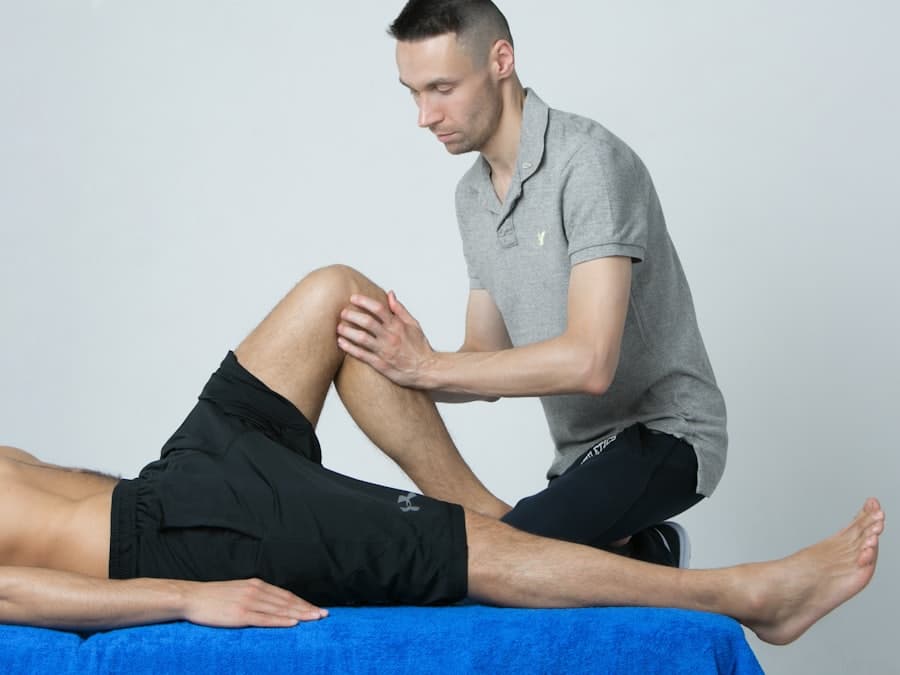
The first objective is calming nerve irritation
In the acute phase the aim is not to shrink the herniation but to reduce irritation around the nerve root. That inflammatory response accounts for much of the pain, which is why it is common for pain to reduce markedly while the herniation remains the same size on imaging.
At this stage the movement direction that draws pain from the leg back toward the spine is identified and repeated frequently through the day with few repetitions each time. Bed rest is not advised; inactivity delays recovery and accelerates muscle loss.
Soft tissue techniques and gentle joint mobilisation release protective muscle guarding. Sleeping position is adjusted — an unsuitable position is among the commonest causes of night pain.
Second stage: restoring movement and nerve glide
As pain begins to settle, work moves to hip and trunk range of motion. When the hip does not move enough, the load of bending passes directly to the lower back, which makes hip range decisive in protecting it.
Nerve gliding exercises allow the nerve to move freely within surrounding tissue, markedly reducing the tension referred into the leg.
The timing of the deep trunk muscles is retrained at this stage. These stabilise the spine just before movement begins; when their timing is disturbed, the segment is briefly unprotected at the start of every movement.
Third stage: preparing for load
The programme turns to graded strengthening: the hip hinge pattern, squatting and correct lifting technique. The aim is for the lower back to become resilient to the loads it meets in daily life.
Complete absence of pain is not expected at this stage. The criterion is whether loading can be progressed without a lasting increase in pain: if pain after activity returns to baseline within 24 hours, the load is appropriate.
Duration and follow-up measures
For acute herniations a programme of 8–12 sessions is usually planned, with clear relief beginning within the first two to three weeks. If symptoms have been present for a long time, or there is leg weakness, the process takes longer.
Progress is tracked by measurement rather than by subjective impression: how far pain travels down the leg, straight leg raise angle, and hip and trunk endurance times. These are recorded each session and the programme is revised accordingly.
Key points
- In the acute phase the aim is calming nerve irritation, not shrinking the herniation.
- Bed rest delays recovery; staying active within pain limits is necessary.
- Hip range of motion is directly decisive in protecting the lower back.
- Graded loading begins before pain has resolved completely.
- If pain after activity returns to baseline within 24 hours, the load is appropriate.
Frequently asked questions
Can pain resolve before the herniation shrinks?
Yes, and it is common. Much of the pain comes from the inflammatory response around the nerve; when that settles, pain can reduce markedly while the herniation remains the same size.
How many sessions before results appear?
In acute cases clear relief usually begins within four to six sessions, with a total programme of 8–12. In chronic presentations and where there is weakness, the process takes longer.
Is it possible to keep working during treatment?
In most cases yes. For desk work, a break routine and seating adjustment are usually enough. Jobs involving heavy lifting may require temporary modification, assessed according to examination findings.
Related articles
- Diagnosis and symptoms· 6 min readLumbar disc herniation symptoms: which pain points to a disc?
- Exercise· 7 min readDisc herniation exercises: which help and which to avoid
- Treatment decision· 6 min readIs surgery necessary for a disc herniation? The criteria that decide
- Daily living· 6 min readDaily life with a disc herniation: how to sleep and how to sit
Other topics in the same region
- Diagnosis and symptoms· 6 min readWhat is lumbar flattening and what does it mean on an X-ray?
- Diagnosis and symptoms· 6 min readIs back pain radiating to the buttock always a herniation?
- Diagnosis and symptoms· 6 min readWhat is degenerative disc disease, and why is the name misleading?
- Diagnosis and symptoms· 6 min readSacroiliac joint pain: the point beside the tailbone
Articles of a similar kind
- Treatment course· 6 min readNon-surgical cervical herniation treatment: stages and timeline
- Treatment course· 6 min readTreating cervical flattening: the target is endurance, not the angle
- Treatment course· 6 min readScoliosis treatment: exercise, bracing and the monitoring decision
- Treatment course· 6 min readHow effective is non-surgical treatment for a meniscus tear?
This content is for information only and does not replace medical diagnosis or treatment. Response to treatment varies between individuals. Please consult a healthcare professional about your symptoms.