
Daily living6 min read
Daily life with scoliosis: sleep, bags, sport and work
Most people diagnosed with scoliosis experience no marked limitation in daily life. Some habits, however, increase asymmetric load and trigger muscular symptoms. The adjustments below aim to balance that load.
Bags, carrying and load distribution
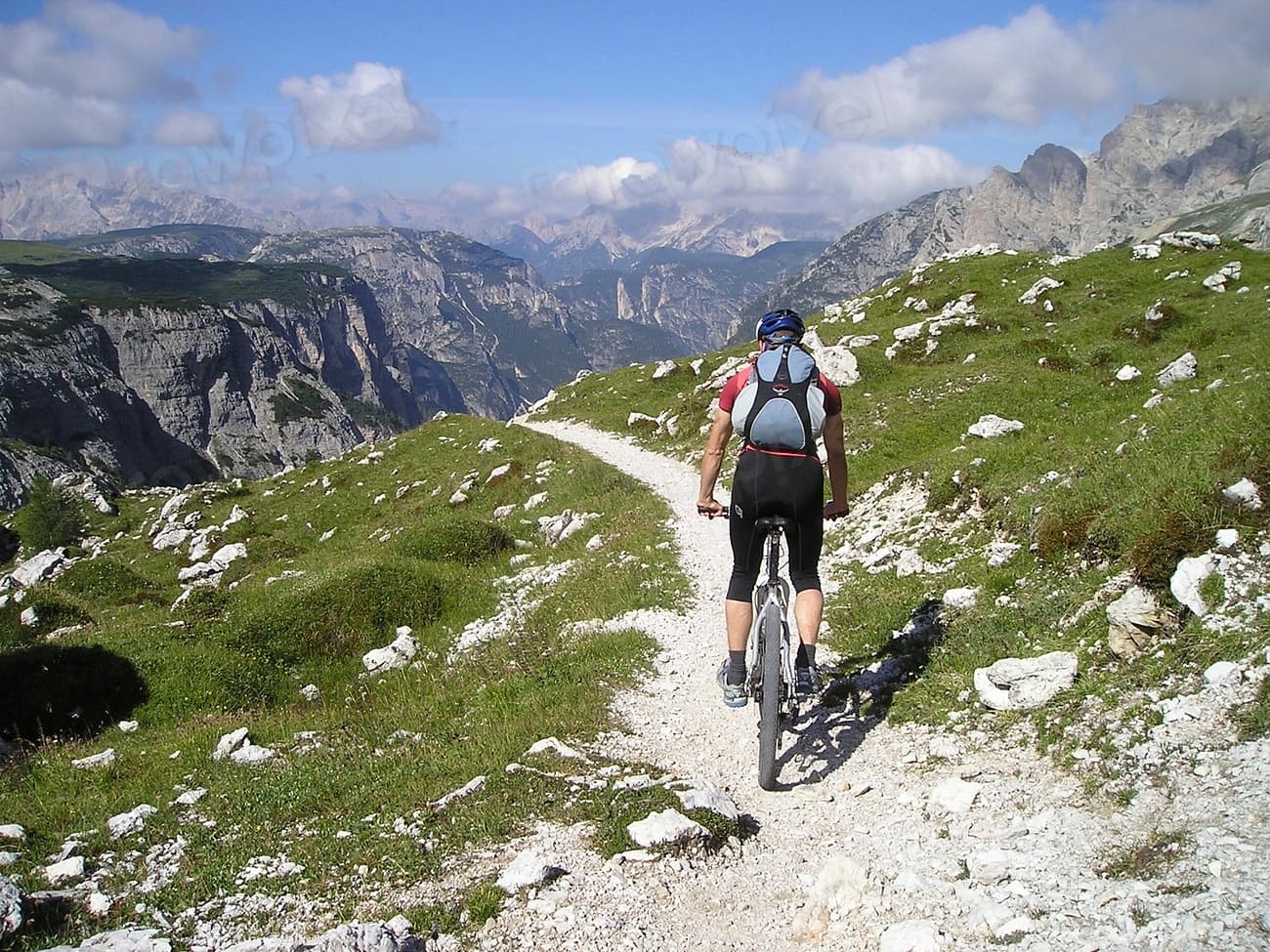
A bag on one shoulder loads the trunk constantly to one side. Using a two-strap backpack and wearing both straps is the most practical way to balance daily load.
Dividing weight between both hands produces markedly less asymmetry than carrying in one. For shopping bags this simple rule is enough.
Carrying a child always on the same hip should be avoided. Alternating sides reduces the muscular tension created by prolonged one-directional load.
Sleep and rest
There is no single correct sleeping position for scoliosis. The comfortable position is preferred; rigid rules disturb sleep and do more harm than good.
A pillow between the knees when side-lying reduces pelvic rotation and lowers tension in the lower back. It is a simple change that makes a difference for most side-sleepers.
In choosing a mattress, the very soft and very firm extremes are avoided. A medium-firm mattress that supports the trunk generally gives the best sleep quality.
Sport and movement
Scoliosis is no barrier to sport, and regular activity reduces symptoms by building muscular endurance. Inactivity is the most common trigger of pain in scoliosis.
In one-sided, repetitive sports it is appropriate to add balancing work in the opposite direction. For tennis, golf or volleyball this adjustment is sufficient.
In very severe curves, high-contact sport requires individual assessment. Beyond that, most cases need no specific restriction.
Key points
- Scoliosis mostly does not limit daily life.
- A two-strap backpack should replace a single-shoulder bag.
- A pillow between the knees when side-lying reduces tension.
- Inactivity is the most common trigger of pain in scoliosis.
- In one-sided sports, balancing work in the opposite direction is added.
Frequently asked questions
Can I lift heavy weights with scoliosis?
Yes, with proper technique and progressive loading. Strength work is generally beneficial as it builds trunk endurance; what should be avoided is sudden, unprepared loading.
Are high heels a problem?
Constant use alters pelvic tilt and increases load on the lower back. Occasional use is not a problem; for daily wear, low-heeled supportive shoes are more suitable.
Does scoliosis affect pregnancy?
Most scoliosis is no barrier to pregnancy, and there is no strong evidence that pregnancy permanently increases the curve. Back pain may be more frequent in pregnancy; a preparatory exercise programme reduces that risk.
Related articles
- Diagnosis and symptoms· 6 min readWhat is scoliosis and how is it noticed?
- Treatment course· 6 min readScoliosis treatment: exercise, bracing and the monitoring decision
- Exercise· 6 min readScoliosis exercises: why one programme does not fit everyone
- Treatment decision· 6 min readWhat criteria the surgical decision rests on in scoliosis
Other topics in the same region
- Diagnosis and symptoms· 6 min readWhat is kyphosis? Is a hunched back the same as poor posture?
- Diagnosis and symptoms· 6 min readWhat is a thoracic disc herniation and what are its symptoms?
- Diagnosis and symptoms· 6 min readLocking in the upper back and pain on breathing: a facet joint problem
- Diagnosis and symptoms· 6 min readBurning between the shoulder blades: cause and meaning
Articles of a similar kind
- Daily living· 6 min readDaily life with a disc herniation: how to sleep and how to sit
- Daily living· 6 min readSleep and pillow selection with a cervical herniation
- Daily living· 6 min readDesk setup and daily habits in cervical flattening
- Daily living· 6 min readStairs, squatting and daily movement with a meniscus tear
This content is for information only and does not replace medical diagnosis or treatment. Response to treatment varies between individuals. Please consult a healthcare professional about your symptoms.