
Treatment course6 min read
Scoliosis treatment: exercise, bracing and the monitoring decision
There is no single protocol in scoliosis treatment. The decision rests on three variables: the degree of curve, the person's age and how much growth is complete. Once these are established, the approach becomes clear.
Approach by degree of curve
For curves of ten to twenty degrees, regular monitoring and a scoliosis-specific exercise programme are applied. The aim in this range is to track progression and improve trunk control.
Between twenty and forty degrees in someone still growing, bracing is considered. A brace does not correct the curve; it aims to halt progression, and its effectiveness in that aim is established.
Above forty-five degrees, surgical assessment arises. That decision is made not on the angle alone but on rate of progression, respiratory function and the person's symptoms together.
The role of physiotherapy
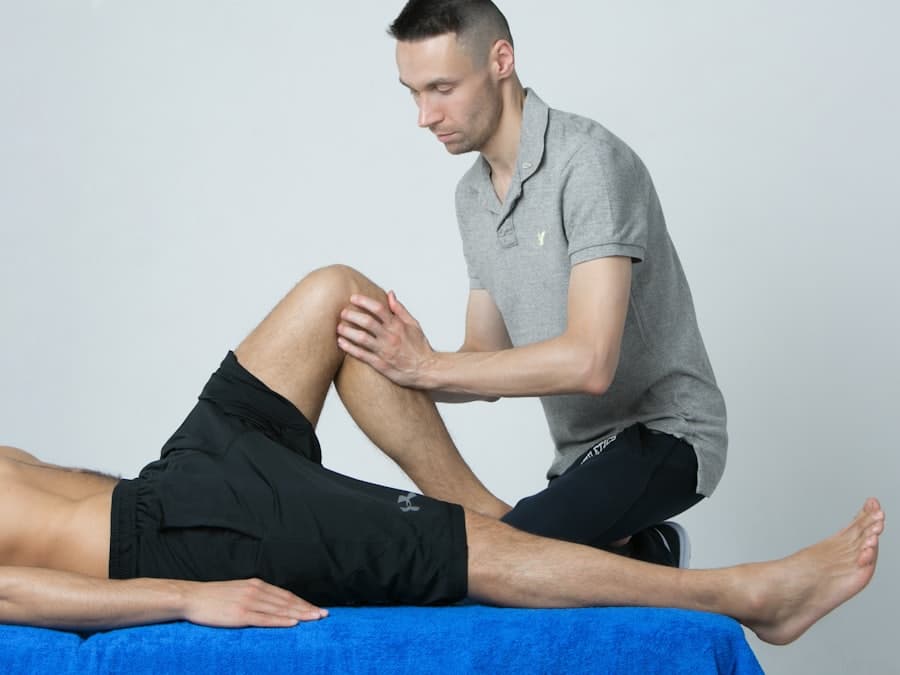
Scoliosis-specific exercise differs from general back exercise. Three-dimensional correction is worked in positions selected for the direction of the curve, combined with breathing, so the programme is built individually.
The programme increases the trunk muscles' capacity to balance asymmetric load. Even without changing the angle substantially, this reduces pain and improves daily function.
In adults the treatment goal is markedly different. As growth is complete the angle is not expected to change; the aim is pain management, endurance and preventing the secondary strains the curve produces.
Realistic expectations
There is no strong evidence that exercise corrects an established curve. Sharing this at the outset lets the patient begin the programme with the right expectation.
There is, by contrast, evidence that exercise slows progression, reduces pain and increases trunk endurance. These are measurable gains in daily life.
The programme depends on continuity. If stopped, endurance gained regresses within months, which makes the home programme more decisive than the number of clinic sessions.
Key points
- The decision rests on Cobb angle, age and growth status.
- A brace does not correct the curve; it aims to halt progression.
- Scoliosis-specific exercise differs from general back exercise and is individually built.
- There is no strong evidence exercise corrects an established curve.
- In adults the target is pain and endurance, not the angle.
Frequently asked questions
Do I have to wear a brace?
Bracing is decided for those still growing whose curve carries a risk of progression. In adults with completed growth, a brace to halt progression is generally not required.
Does swimming correct scoliosis?
It does not. Swimming benefits general conditioning and the back muscles and can be added to a programme, but does not replace corrective work specific to the curve direction.
Can I play sport with scoliosis?
Yes. Scoliosis is not a barrier to most sports and regular activity is encouraged. Only in severe curves does high-contact sport require individual assessment.
Related articles
- Diagnosis and symptoms· 6 min readWhat is scoliosis and how is it noticed?
- Exercise· 6 min readScoliosis exercises: why one programme does not fit everyone
- Treatment decision· 6 min readWhat criteria the surgical decision rests on in scoliosis
- Daily living· 6 min readDaily life with scoliosis: sleep, bags, sport and work
Other topics in the same region
- Diagnosis and symptoms· 6 min readWhat is kyphosis? Is a hunched back the same as poor posture?
- Diagnosis and symptoms· 6 min readWhat is a thoracic disc herniation and what are its symptoms?
- Diagnosis and symptoms· 6 min readLocking in the upper back and pain on breathing: a facet joint problem
- Diagnosis and symptoms· 6 min readBurning between the shoulder blades: cause and meaning
Articles of a similar kind
- Treatment course· 7 min readNon-surgical treatment for a lumbar disc herniation: how the process works
- Treatment course· 6 min readNon-surgical cervical herniation treatment: stages and timeline
- Treatment course· 6 min readTreating cervical flattening: the target is endurance, not the angle
- Treatment course· 6 min readHow effective is non-surgical treatment for a meniscus tear?
This content is for information only and does not replace medical diagnosis or treatment. Response to treatment varies between individuals. Please consult a healthcare professional about your symptoms.