
Treatment course6 min read
Treating cervical flattening: the target is endurance, not the angle
The most frequent question in treating cervical flattening is whether the curve will return. The honest answer: in structural flattening the angle largely stays fixed, while pain and function improve markedly. The programme targets those two.
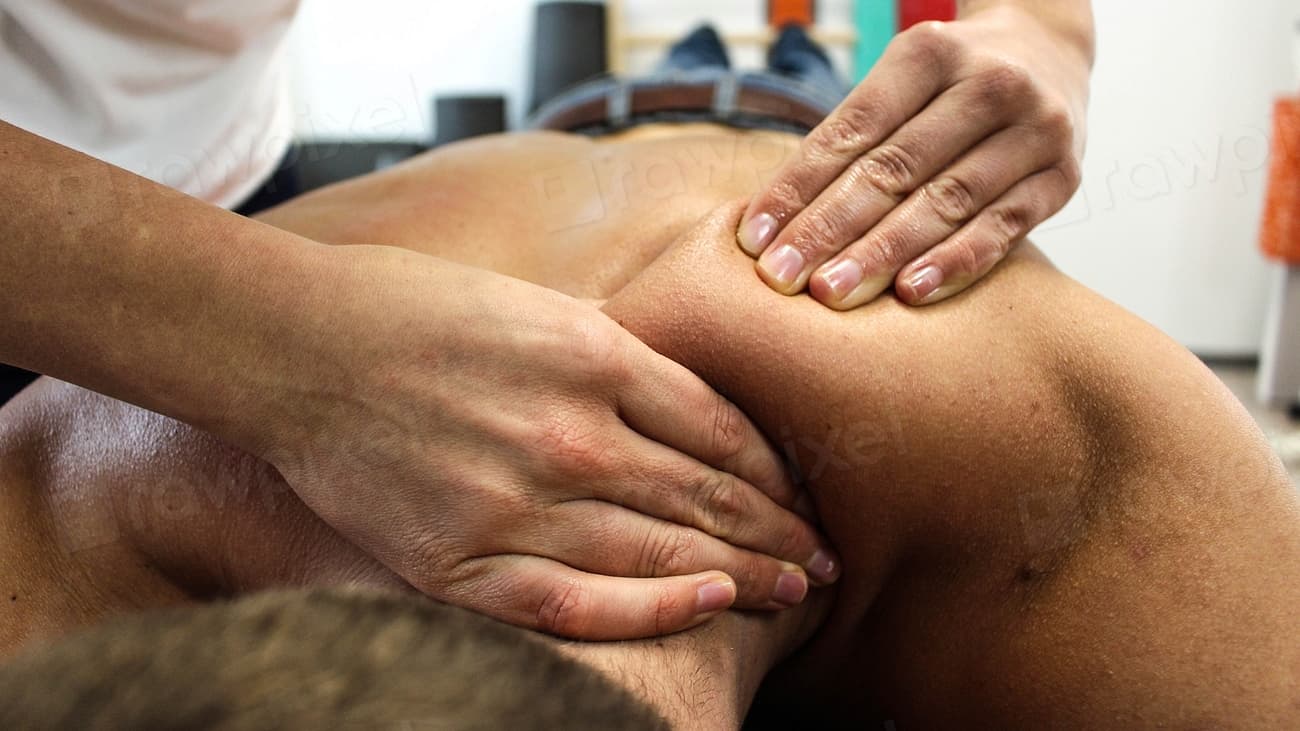
First stage: releasing tension
Constant tension in the muscles at the back of the neck and over the shoulders is reduced with hands-on techniques, with dry needling used for stubborn trigger points where indicated. This brings quick relief but does not last on its own.
Pillow height and sleeping position are adjusted at this stage. In patients who wake markedly worse, this single change often produces the first visible difference.
Cervical mobilisation frees stiffened segments. Range is measured in six directions and that measurement is repeated through follow-up.
Second stage: engaging the deep muscles
Activation of the deep neck flexors is taught and their endurance progressively increased. These muscles hold the head on the spinal axis; once engaged, the large surface muscles no longer have to work continuously.
The exercise uses very low load because the target is endurance rather than strength. Increasing load lets the superficial muscles dominate and bypasses the deep layer.
Measurable gains in endurance take six to eight weeks, with reduced pain following them. That delay is normal, and the programme should not be abandoned because pain has not fallen in the first weeks.
Third stage: shoulder girdle and daily routine
The scapular stabilisers are strengthened and thoracic mobility opened up. Neck load does not fall permanently until scapular control improves — the two regions work together.
Screen height, arm support and break rhythm are made permanent. Without changing eight hours a day of forward-head posture, strength gains alone are not enough.
The programme usually runs 8–12 sessions. Gains are maintained with a few minutes of work a day; if stopped, endurance regresses within a few months.
Key points
- The treatment target is pain and function, not restoring the curve.
- Hands-on treatment brings quick relief but does not last alone.
- In deep neck training, duration is increased rather than load.
- Measurable endurance gains take six to eight weeks; pain follows them.
- Without changing the screen setup, strength gains alone are not enough.
Frequently asked questions
How many sessions before results?
A reduction in tension is usually noticed within the first three to five sessions. Lasting change requires deep muscle endurance to develop, which takes six to eight weeks, with a programme of 8–12 sessions.
Do cervical traction devices work?
There is no strong evidence that they permanently change the curve. They can bring temporary relief for some patients but do not replace muscular endurance, and used alone the result does not last.
Is massage enough?
Massage temporarily reduces tension and is comfortable, but it does not build the endurance that carries the load. Tension returns within days as the muscle continues to be loaded.
Related articles
- Diagnosis and symptoms· 6 min readWhat is cervical flattening and what does it mean on an X-ray?
- Exercise· 6 min readExercises for cervical flattening: what actually works
- Treatment decision· 6 min readIs cervical flattening serious? When assessment is needed
- Daily living· 6 min readDesk setup and daily habits in cervical flattening
Other topics in the same region
- Diagnosis and symptoms· 6 min readCervical disc herniation symptoms: what arm pain means
- Diagnosis and symptoms· 6 min readTension-type headache: symptoms and how it differs from migraine
- Diagnosis and symptoms· 6 min readPain radiating from neck to arm: what is cervical radiculopathy?
- Diagnosis and symptoms· 6 min readWhat is cervical spondylosis? Is neck arthritis serious?
Articles of a similar kind
- Treatment course· 7 min readNon-surgical treatment for a lumbar disc herniation: how the process works
- Treatment course· 6 min readNon-surgical cervical herniation treatment: stages and timeline
- Treatment course· 6 min readScoliosis treatment: exercise, bracing and the monitoring decision
- Treatment course· 6 min readHow effective is non-surgical treatment for a meniscus tear?
This content is for information only and does not replace medical diagnosis or treatment. Response to treatment varies between individuals. Please consult a healthcare professional about your symptoms.