
Treatment course6 min read
Treating lumbar flattening: what the programme targets
The most frequent question from patients diagnosed with lumbar flattening is whether the curve will return. The programme focuses not on that but on improving pain and function, because measurable gains are made in those two areas.
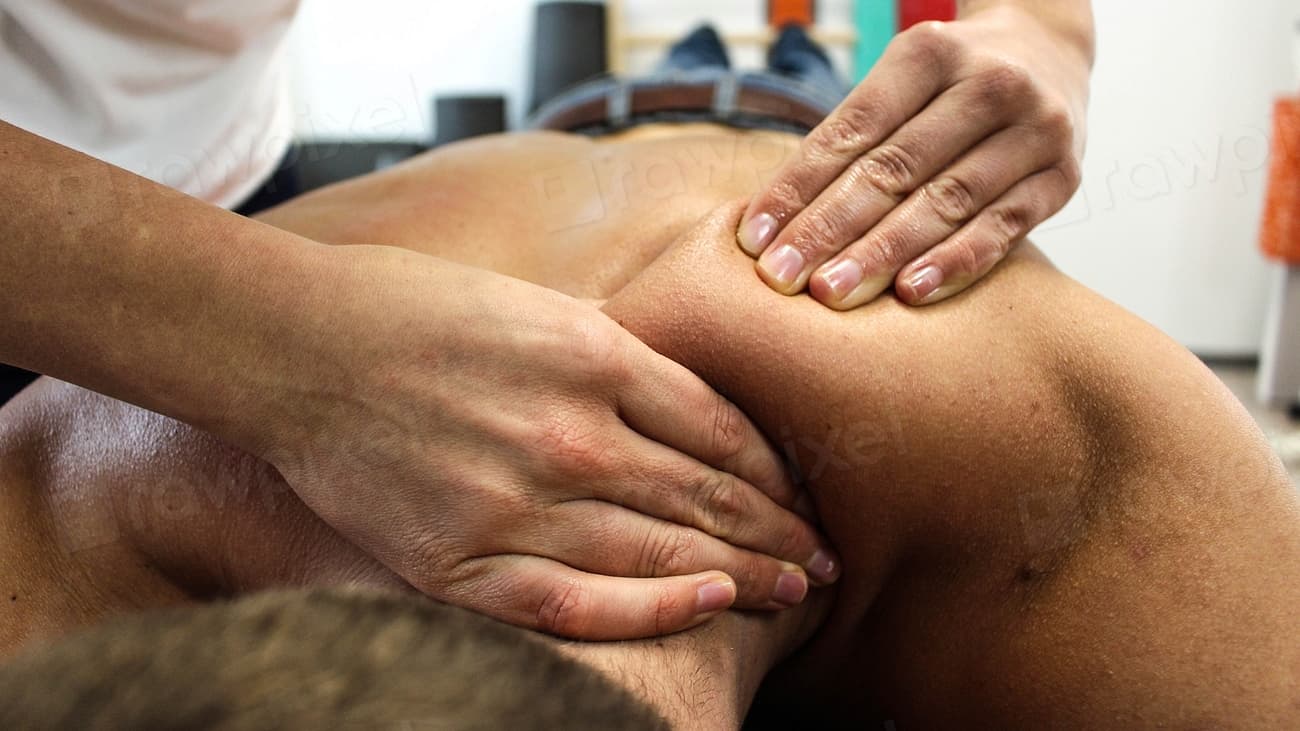
First stage: reducing spasm and pain
Protective muscle spasm in the lower back is reduced with hands-on techniques. As spasm resolves, range increases and part of the curve returns on its own.
Joint mobilisation of stiffened segments prevents movement concentrating at particular levels. Load focusing on a single segment is a common reason pain persists.
Bed rest is not advised at this stage. Staying mobile within pain limits is the best-documented approach for shortening recovery.
Second stage: trunk control
Activation of the deep trunk muscles is taught and their endurance progressively increased. These muscles stabilise the spine under load; once engaged, the surface muscles no longer work in constant protection.
Work is done at low load for long durations. As the target is endurance rather than strength, adding weight bypasses the intended muscle layer.
Hip mobility is opened in the same period. When the hip stiffens, all bending is taken up by the lower back, which is then loaded extra every day.
Third stage: load and daily routine
Lifting technique, sitting arrangement and the rhythm of changing position are made permanent. A back held in the same position for eight hours a day continues to be strained regardless of strength gained.
Progressive loading raises the trunk's carrying capacity. Return to heavy work or sport is planned by measuring that capacity, not by the calendar.
The programme usually runs 8–12 sessions. Maintaining gains depends on a regular home programme; if stopped, endurance regresses within months.
Key points
- The target is pain and function, not restoring the curve.
- In the acute phase, movement within pain limits is advised over bed rest.
- In deep trunk training, duration is increased rather than load.
- Hip stiffness causes the lower back to be loaded extra every day.
- The programme usually runs 8–12 sessions; the home programme is decisive.
Frequently asked questions
Should I use a lumbar support?
Routine use is not advised. It can give short-term support for a few days in acute pain; prolonged use reduces trunk muscle work and leads to loss of endurance.
Is swimming helpful?
It benefits general conditioning and pain-free movement, but does not replace targeted endurance training of the deep trunk muscles; continuing it alongside the programme is appropriate.
How long until results?
A reduction in pain is usually noticed within the first two to three sessions. Measurable gains in endurance and durability of the result take six to eight weeks.
Related articles
- Diagnosis and symptoms· 6 min readWhat is lumbar flattening and what does it mean on an X-ray?
- Exercise· 6 min readLumbar flattening exercises: endurance or flexibility?
- Treatment decision· 6 min readIs imaging needed in lumbar flattening?
- Daily living· 6 min readSitting setup and correct lifting technique in lumbar flattening
Other topics in the same region
- Diagnosis and symptoms· 6 min readLumbar disc herniation symptoms: which pain points to a disc?
- Diagnosis and symptoms· 6 min readIs back pain radiating to the buttock always a herniation?
- Diagnosis and symptoms· 6 min readWhat is degenerative disc disease, and why is the name misleading?
- Diagnosis and symptoms· 6 min readSacroiliac joint pain: the point beside the tailbone
Articles of a similar kind
- Treatment course· 7 min readNon-surgical treatment for a lumbar disc herniation: how the process works
- Treatment course· 6 min readNon-surgical cervical herniation treatment: stages and timeline
- Treatment course· 6 min readTreating cervical flattening: the target is endurance, not the angle
- Treatment course· 6 min readScoliosis treatment: exercise, bracing and the monitoring decision
This content is for information only and does not replace medical diagnosis or treatment. Response to treatment varies between individuals. Please consult a healthcare professional about your symptoms.