
Treatment decision6 min read
Is shoulder pain coming from the shoulder or the neck?
The shoulder region is an area where three different structures can refer pain: the shoulder joint itself, the cervical spine and the muscles controlling the blade. Identifying the source entirely changes the direction of treatment.
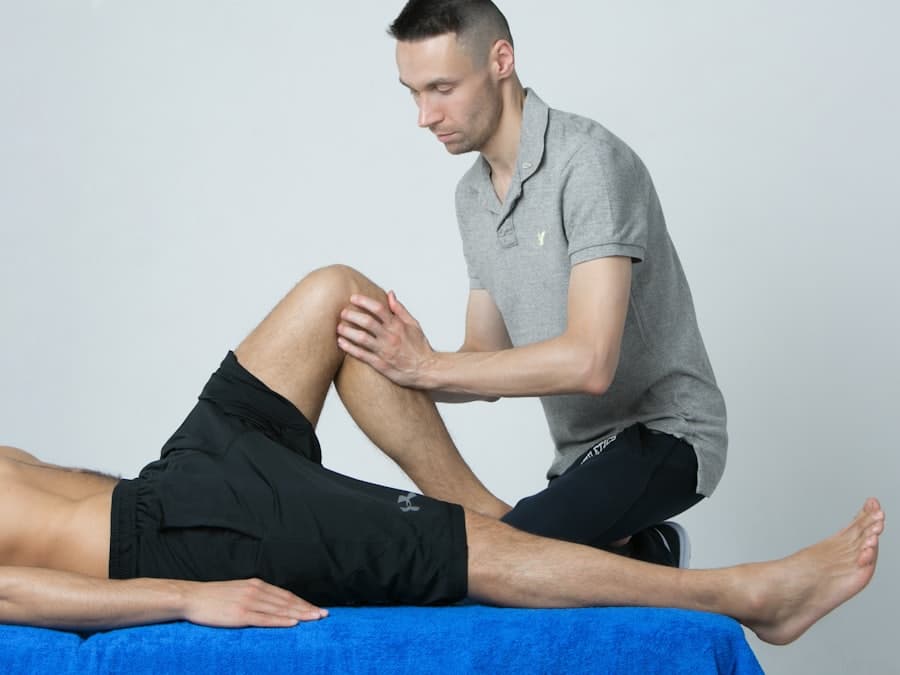
Pain from the shoulder joint
Pain appearing at a particular angle of arm elevation and easing beyond it suggests a shoulder joint source. This 'painful arc' is a typical finding.
Pain is felt over the outer shoulder and upper arm and does not go below the elbow. Lying on it markedly increases the pain.
There is restriction in raising the arm and reaching behind. Where restriction is present both actively and passively, frozen shoulder is considered.
Pain referred from the neck
Shoulder pain that changes with neck movement suggests a cervical source. Turning the head back and toward the affected side increasing the pain strengthens that finding.
Pain travelling below the elbow with finger numbness indicates nerve root involvement. Shoulder joint pain does not produce that pattern.
Where shoulder range is preserved but pain is marked, the source is not the shoulder. This is among the most practical distinguishing findings.
A scapular source
Burning felt between the blades and over the shoulder that builds through the day is muscular. Reproducing the familiar pain on pressure confirms this source.
The shoulder rising toward the ear on elevation, and rapid fatigue in overhead movements, indicate lost blade control.
The three sources frequently coexist. Assessment therefore covers all three regions, and the programme is built around the dominant source.
Key points
- A painful arc is the typical finding of a shoulder joint source.
- Shoulder pain changing with neck movement suggests a cervical source.
- Pain below the elbow does not come from the shoulder joint.
- Marked pain with preserved range indicates the source is not the shoulder.
- The three sources frequently coexist.
Frequently asked questions
Is an MRI needed?
Not in a typical mechanical picture, and it usually does not change treatment. It arises with a history of trauma, marked weakness or a lack of response to appropriate treatment.
How is frozen shoulder recognised?
Marked restriction in both active and passive movement is typical, with external rotation particularly lost. If movement is limited even when someone else lifts your arm, this picture is considered.
What if the source cannot be identified?
The programme is built to cover all three regions and the response monitored. Which component helps becomes clear as treatment progresses.
Related articles
- Diagnosis and symptoms· 6 min readWhat is scapular control and why does it relate to the shoulder and neck?
- Treatment course· 6 min readWhich complaints is scapular stabilisation training used for?
- Exercise· 6 min readShoulder blade exercises: from activation to load
- Daily living· 6 min readShoulder health at a desk: arm support and break rhythm
Articles of a similar kind
- Treatment decision· 6 min readIs surgery necessary for a disc herniation? The criteria that decide
- Treatment decision· 6 min readIs surgery necessary for a cervical herniation? The findings that decide
- Treatment decision· 6 min readIs cervical flattening serious? When assessment is needed
- Treatment decision· 6 min readWhat criteria the surgical decision rests on in scoliosis
This content is for information only and does not replace medical diagnosis or treatment. Response to treatment varies between individuals. Please consult a healthcare professional about your symptoms.