Physiotherapy & Manual Therapy
Movement without pain,recovery you can measure.
In lower back, neck, upper back and knee conditions, the source of pain is identified through clinical examination; movement is restored durably through manual therapy and an individualised exercise programme.
- 12 years in clinic
- One-to-one sessions
- Measurement-based follow-up
42
Measurement-based follow-up
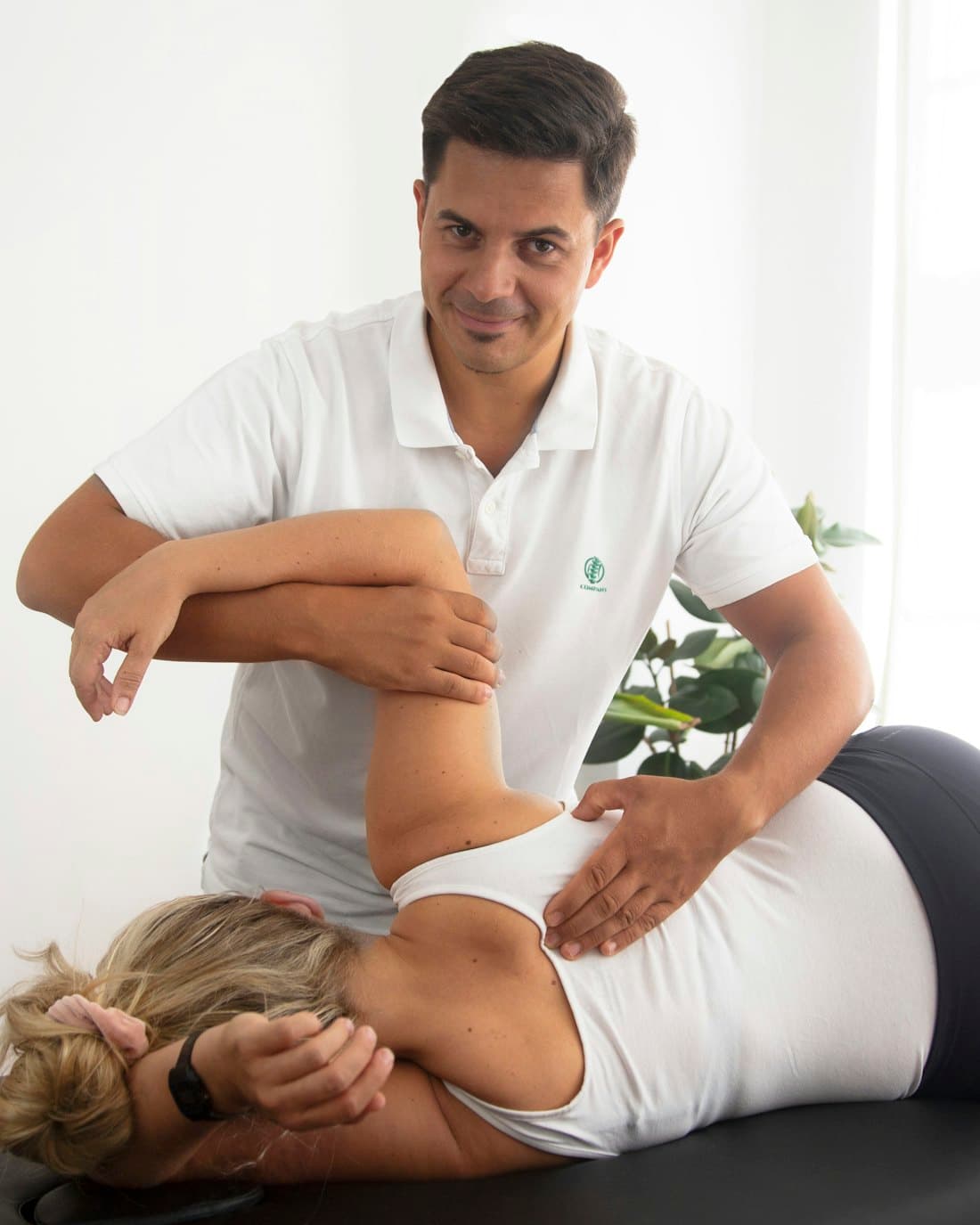
Every session is one-to-one, and every gain is measured and recorded.
- Manual Therapy Certification
- Clinical Exercise & Load Programming
- Dry Needling Practitioner
- Posture and Movement Analysis
- Post-Operative Rehabilitation
01Clinical Approach
A three-stage clinical protocol based on measurement, not assumption.
Pain is a symptom; the clinical objective is to identify the movement and loading fault producing it. The programme is revised according to the measurements recorded at each session.
 01
Assessment & Analysis
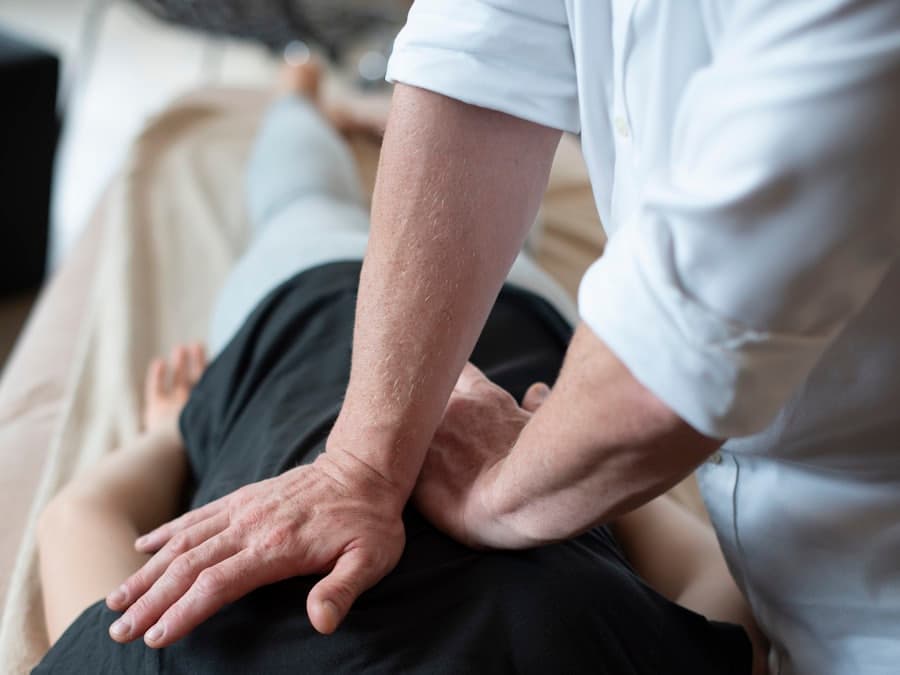
Detailed history, posture and movement analysis, orthopaedic testing. Your MRI and X-ray reports are read alongside clinical findings — an image alone is not a diagnosis.
 02
Manual Therapy & Clinical Exercise
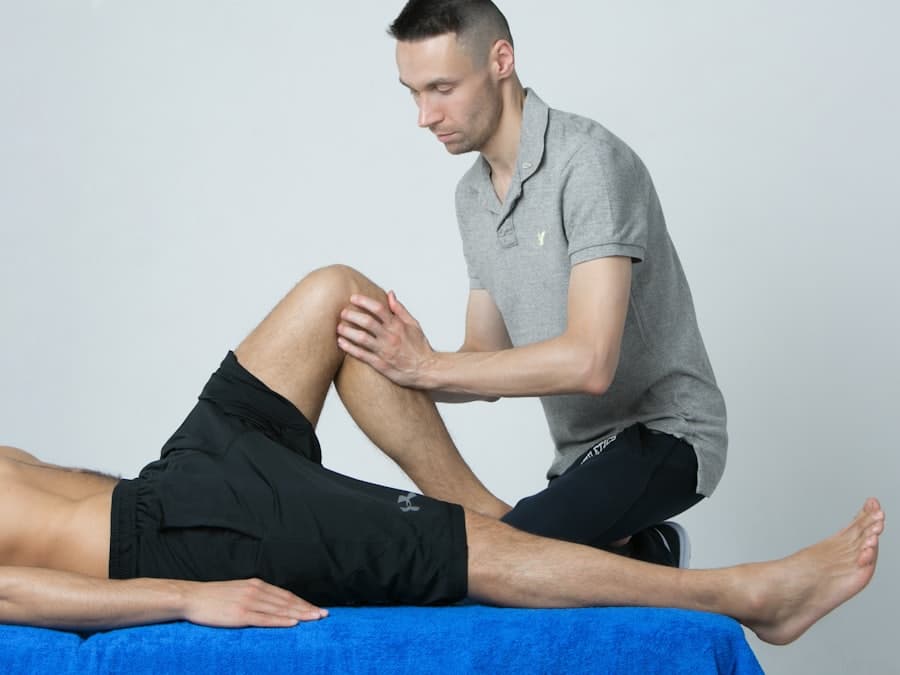
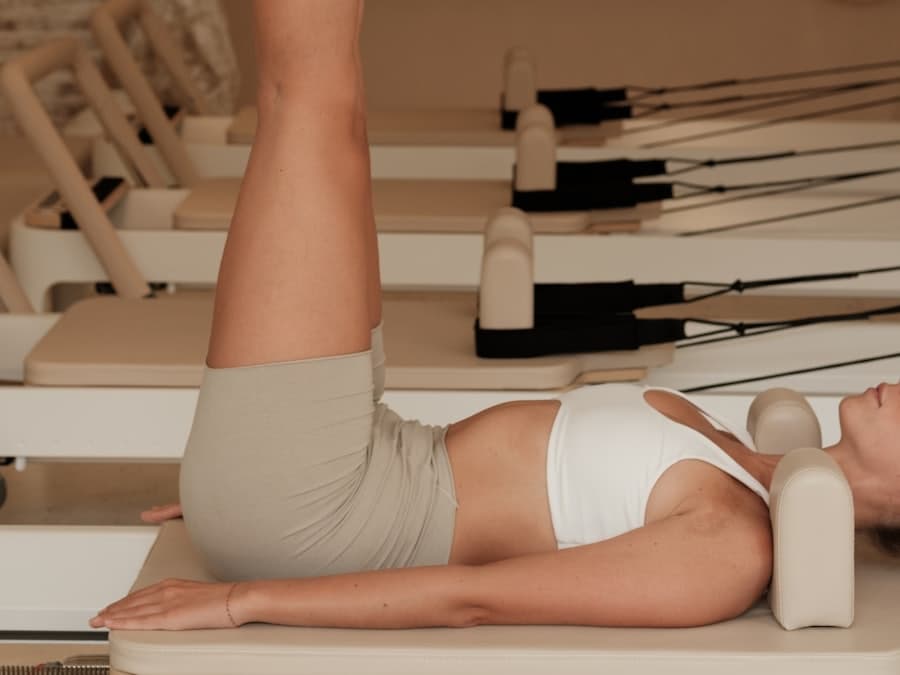
Pain is reduced through joint mobilisation, soft tissue techniques and, where indicated, dry needling. The tissue is then reconditioned to tolerate load through graded exposure.
 03
Measure, Track & Protect
Pain score, range of motion and functional tests are recorded each session. Gains are locked in with a home programme you can realistically sustain.
02Conditions Treated
Four anatomical regions, forty-two diagnoses, one clinical approach.
Each diagnosis has its own assessment protocol and exercise progression. Selecting a complaint allows a booking request to be created under that specific heading.
42 conditions
Lower back
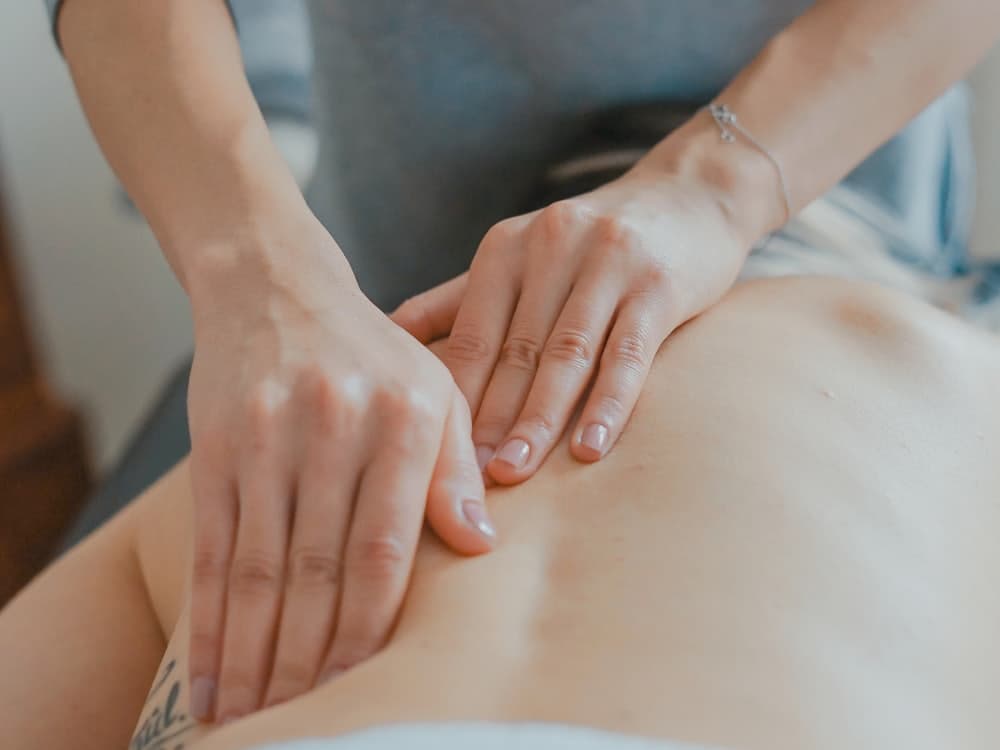
10 conditionsDifferential assessment and load-based exercise for disc, facet and sacroiliac low back pain.
Conditions assessed in this region
Treatment approach
- Lumbar stabilisation training
Restores the timing of the deep trunk muscles so the spine tolerates everyday loads again.
- Manual therapy & joint mobilisation
Frees restricted facet and sacroiliac joints and releases protective muscle guarding.
- Directional preference exercise
The direction that draws pain out of the leg back to the spine is identified, and the plan is built around it.
- Dry needling
Targets stubborn tension at quadratus lumborum and gluteal trigger points.
- Ergonomics & load management
Lifting, sitting and sleeping positions — reorganising the daily loads that provoke the pain.
Related reading
The scope of assessment is not limited to this list; enquiries regarding conditions not listed are also accepted.
05Topic Clusters
What you can read, by region
Every condition and treatment method has its own page, and every topic has articles under five headings: symptoms, treatment, exercise, treatment decisions and daily life.
Upper back
8 conditions · 25 articles
Knee
14 conditions · 30 articles
03Method
The components of the treatment programme.
No single technique resolves every problem. Methods are combined according to diagnosis, and none replaces the programme as a whole.
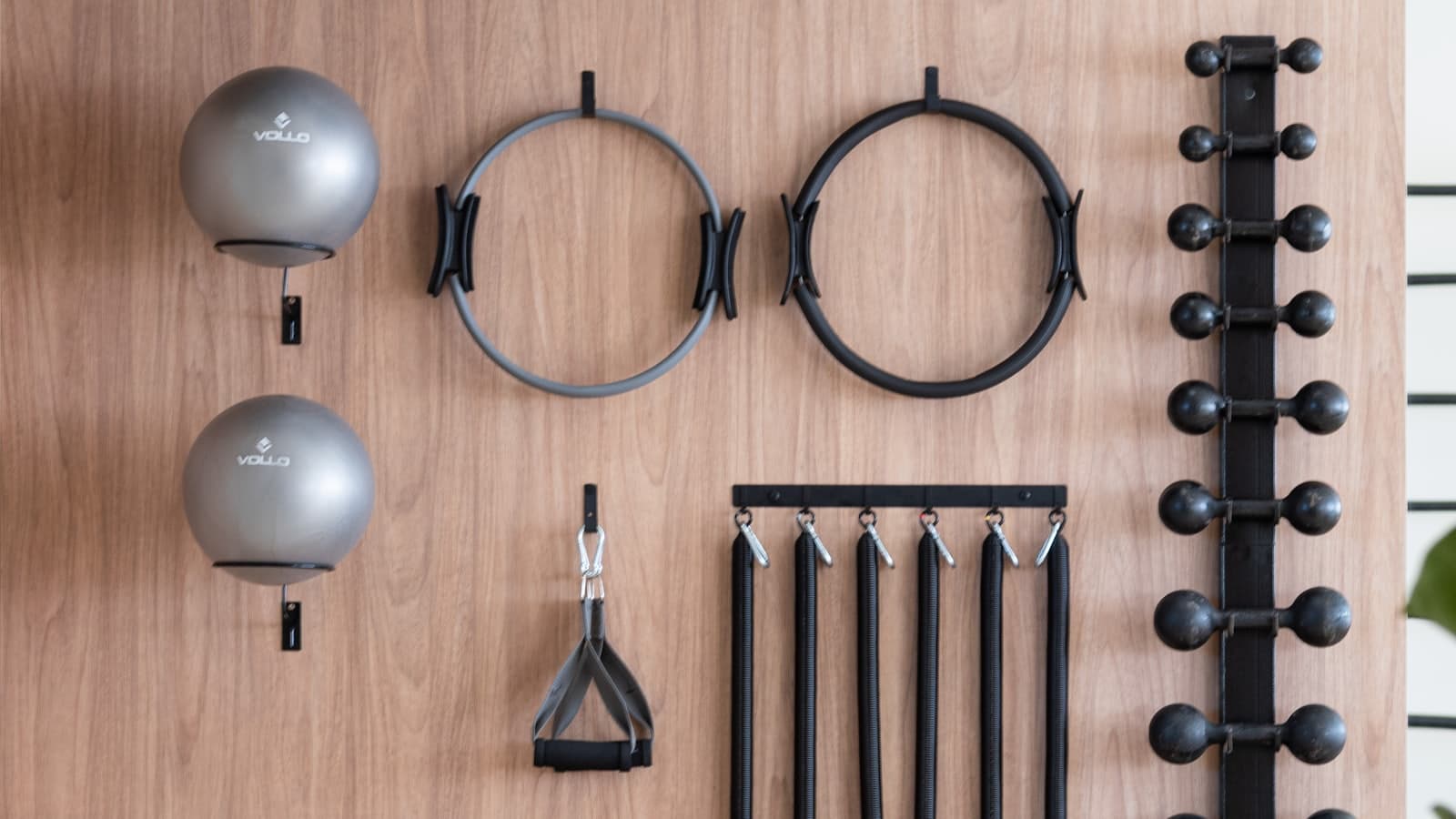
Manual Therapy
Joint mobilisation and soft tissue techniques restore restricted motion and reduce pain quickly.
Clinical Exercise
An individualised programme built on graded loading, with progression tracked by measurement.
Dry Needling
Targets deep, stubborn pain by releasing muscular tension at myofascial trigger points.
Posture & Movement Analysis
Makes visible the loading faults in your daily, occupational and sporting movement.
Physical Therapy Modalities
Complementary tools for pain and swelling control — part of the programme, never a substitute for it.
Home Programme & Education
A simple, sustainable plan you can follow from your phone that protects what you gained in clinic.
04Results
Clinical outcomes, as transparent as the process itself.
- Years in clinical practice
- 12Years in clinical practice
- Sessions completed
- 9,000+Sessions completed
- Weeks average programme
- 6Weeks average programme
- Patient satisfaction
- 97%Patient satisfaction
05Patient Experience
Patient assessments.
This wasn't the first place I went for two years of low back pain, but it was the first time anyone explained where the pain came from. After six weeks the morning stiffness was gone entirely.
AKA. K.Lumbar disc herniation · 8 sessions He planned my post-operative knee programme step by step. Being measured every week kept me motivated and showed me exactly where I stood.
MYM. Y.After ACL reconstruction · 14 sessions I work at a desk and my neck pain and headaches had become chronic. The home programme was genuinely doable, which is why I actually kept it up.
EDE. D.Cervical flattening · 6 sessions
06Journal
Understanding pain is the first stage of treatment.
The questions most frequently encountered in clinical practice, presented in plain language alongside current evidence.
 Diagnosis and symptoms· 6 min read
Lumbar disc herniation symptoms: which pain points to a disc?
Not every backache is a disc. What suggests a herniation is where the pain travels and which movements change it.
Read the article- Treatment course· 7 min read
Non-surgical treatment for a lumbar disc herniation: how the process works
Most lumbar herniations settle without surgery. What determines the outcome is applying the right loading at the right time.
Read the article  Exercise· 7 min read
Disc herniation exercises: which help and which to avoid
Correctly selected exercise reduces pain rather than increasing it. What matters is not the movement itself but the stage and direction in which it is applied.
Read the article
10Most Searched
The most frequently raised topics.
The complaints the clinic is contacted about most often, and the pages that cover them.
Featured articles
- Lumbar disc herniation symptoms: which pain points to a disc?
- Non-surgical treatment for a lumbar disc herniation: how the process works
- Disc herniation exercises: which help and which to avoid
- Is surgery necessary for a disc herniation? The criteria that decide
- Daily life with a disc herniation: how to sleep and how to sit
- Cervical disc herniation symptoms: what arm pain means
- Non-surgical cervical herniation treatment: stages and timeline
- Cervical herniation exercises: what is safe and what to avoid
07About
Mevlüt Bilgin, PT
Physiotherapist · Manual Therapy
Mevlüt Bilgin, PT works with an approach that targets the movement and loading fault producing the pain rather than suppressing the pain itself. The lower back, neck, upper back and knee are central to this work.
Each patient is assessed individually; the programme is structured according to the complaint, lifestyle and objectives. Sessions are conducted one to one, with no second patient accepted within the same time slot.
The objective is to reduce pain in the short term and, in the longer term, to enable the patient to understand the process within their own body and prevent recurrence.
Education and Certifications
- BSc Physiotherapy and Rehabilitation
- Orthopaedic Manual Therapy Certification
- Clinical Exercise and Load Programming
- Certified Dry Needling Practitioner
- Post-Operative Rehabilitation Protocols
11Service Area
Patients are seen from across the European Side of Istanbul.
The clinic is in Esentepe (Şişli). The districts below are within easy reach, and travel time is taken into account when scheduling appointments.
- Şişli
- Beşiktaş
- Beyoğlu
- Kağıthane
- Sarıyer
08FAQ
Frequently asked questions regarding the treatment process.
What happens in the first session?
How many sessions are required?
Is a doctor's referral required?
How long is each session?
When should treatment begin after surgery?
09Contact
WhatsApp is the fastest channel for appointment requests.
A brief description of the complaint is sufficient; available dates and times will be provided in response.
- Address
- İsmet İnönü Caddesi
Esentepe, Şişli / İstanbul
Get directions - Opening hours
- Monday09:00 – 19:00
- Tuesday09:00 – 19:00
- Wednesday09:00 – 19:00
- Thursday09:00 – 19:00
- Friday09:00 – 19:00
- Saturday10:00 – 15:00
- SundayClosed