
Diagnosis and symptoms6 min read
What is myofascial release? What is known about fascia
Myofascial release is a technique of sustained, directed pressure applied to muscle and the fascia surrounding it. Both exaggerated claims and unwarranted dismissals circulate about it; this page separates what is known from what is not.
What fascia is
Fascia is a thin layer of connective tissue surrounding muscles, vessels and organs. It forms a continuous network and allows muscles to glide against one another.
This tissue contains abundant nerve endings. Its role in producing pain has become better understood in recent years, after long being regarded as a merely mechanical wrapping.
After immobility, repetitive strain or injury, the glide between fascial layers can reduce. That reduction shows itself as restricted movement and a sense of tightness.
How it is applied
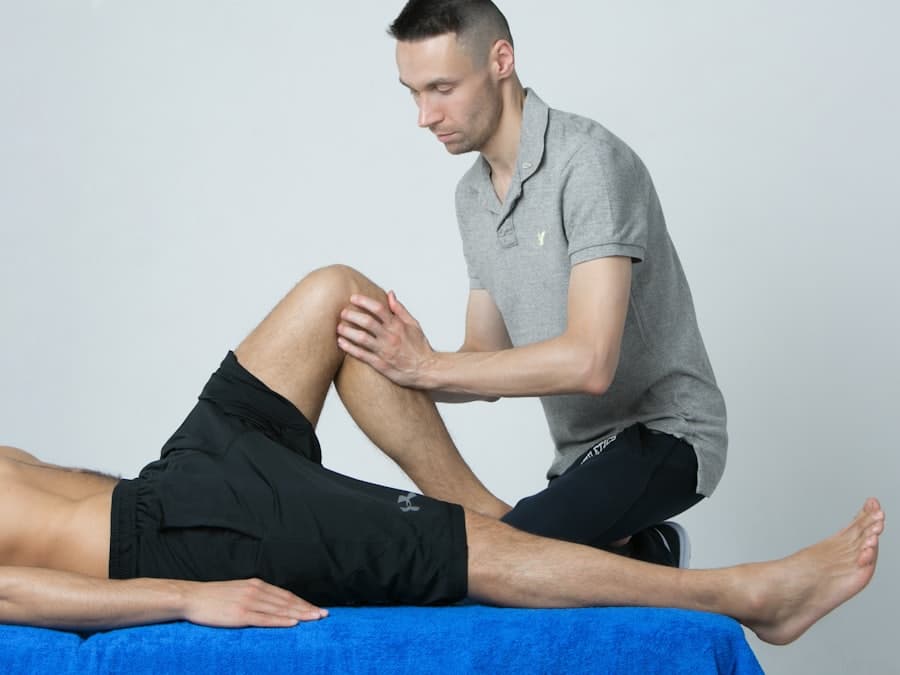
Application means sustained, progressive pressure to the target area by hand or with a tool. Pressure is held slowly and steadily rather than rubbed quickly.
Duration is what distinguishes the method. Pressure is held between thirty seconds and two minutes; brief application does not produce the intended effect.
The patient breathes freely and pressure stays below the level that produces pain. Very firm pressure increases protective muscle tension and works against the aim.
What the evidence says
There is reasonable evidence that myofascial release reduces pain and increases range in the short term. In most studies that effect lasts hours to days.
Whether the effect comes from the fascia physically lengthening or through the nervous system has not been fully explained. Clinically the outcome is the same, but claims should reflect that uncertainty.
There is no evidence it is sufficient alone for a lasting long-term effect. The method is therefore used alongside an exercise programme rather than in place of one.
Key points
- Fascia is the connective tissue network letting muscles glide.
- Pressure is slow and sustained, not quick rubbing.
- Duration is the distinguishing feature: thirty seconds to two minutes.
- There is reasonable evidence for short-term pain and range benefits.
- There is no evidence it is sufficient alone for lasting effect.
Frequently asked questions
How does it differ from massage?
Massage is generally applied with rhythmic movements over a wide area for general relaxation. Myofascial release applies sustained, directed pressure to a specific point.
Does fascia really 'stick'?
Reduced glide between layers has been demonstrated, but the popular description of 'sticking' is too mechanical. What matters clinically is the reduction in restriction and tightness.
Can it be applied to everyone?
No. It is not applied, or the technique is changed, in active infection, open wounds, suspected deep vein thrombosis, advanced osteoporosis and bleeding disorders.
Related articles
- Treatment course· 6 min readWhich complaints is myofascial release used for?
- Exercise· 6 min readHow to use a foam roller: application by region
- Treatment decision· 6 min readMassage guns and release tools: what they do and where not to use them
- Daily living· 6 min readA self-release routine at home: a ten-minute programme
Articles of a similar kind
- Diagnosis and symptoms· 6 min readLumbar disc herniation symptoms: which pain points to a disc?
- Diagnosis and symptoms· 6 min readCervical disc herniation symptoms: what arm pain means
- Diagnosis and symptoms· 6 min readWhat is cervical flattening and what does it mean on an X-ray?
- Diagnosis and symptoms· 6 min readWhat is scoliosis and how is it noticed?
This content is for information only and does not replace medical diagnosis or treatment. Response to treatment varies between individuals. Please consult a healthcare professional about your symptoms.