
Exercise6 min read
Range-of-motion exercises: what to do in the early phase
Range-of-motion work is the first step of programmes after injury and surgery. Applied correctly it prevents stiffness becoming established; applied incorrectly it increases pain and swelling.
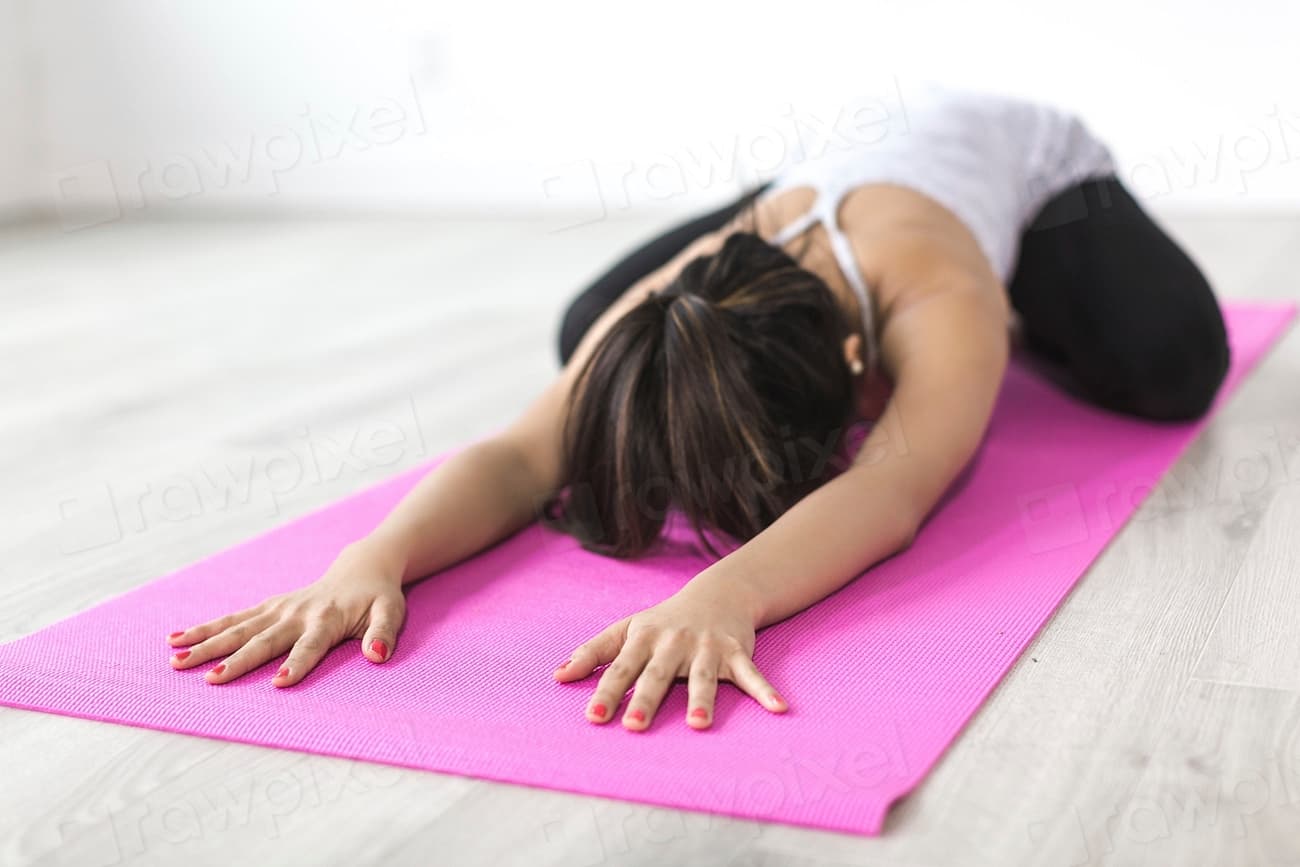
Three stages
Passive movement: the joint is moved without using the person's own muscle. Done with the other hand, a towel or by the therapist.
Active-assisted movement: the person initiates the movement and completes it with support. This is the transitional stage that starts muscle activation.
Active movement: the joint is moved entirely by the person's own muscle. Progression to this stage follows what pain and swelling allow.
Frequency and duration
Short, frequent application is essential. Five or six times a day with ten repetitions each is markedly more effective than one long session.
Movement is slow with a few seconds' hold at the limit. Fast, forceful movement increases protective tension and reduces range.
Warmth beforehand makes tissue more receptive. Working after a shower is a practical and effective arrangement.
Progression and common mistakes
Range is measured and recorded weekly. If there is no progress, programme intensity or frequency is reviewed.
The most common mistake is forcing through pain to gain range. This increases swelling and protective tension, producing the opposite result.
The second common mistake is exceeding a post-surgical protocol. The surgeon's limits are set by tissue healing and must not be exceeded.
Key points
- Frequency rather than force produces results.
- Passive, active-assisted and active movement progress in order.
- Five or six short sessions a day beat one long one.
- Fast, forceful movement reduces range.
- Post-surgical protocol limits must not be exceeded.
Frequently asked questions
Can it be done without pain?
A mild stretch sensation is expected and acceptable. Sharp pain indicates the limit has been exceeded; ease back.
How long until range is regained?
In recently developed restriction, clear gains come within days to weeks. In stiffness lasting months the process is far longer and requires persistence.
Is a continuous passive motion machine needed?
Not routinely. Regularly applied manual and active work has been shown to give similar results; a machine does not replace it.
Related articles
- Diagnosis and symptoms· 6 min readWhy do joints swell? What oedema means
- Treatment course· 6 min readManaging oedema and regaining range of motion
- Treatment decision· 6 min readWhen does joint swelling require urgent assessment?
- Daily living· 6 min readThe first 72 hours after injury: what to do and what to avoid
Articles of a similar kind
- Exercise· 7 min readDisc herniation exercises: which help and which to avoid
- Exercise· 6 min readCervical herniation exercises: what is safe and what to avoid
- Exercise· 6 min readExercises for cervical flattening: what actually works
- Exercise· 6 min readScoliosis exercises: why one programme does not fit everyone
This content is for information only and does not replace medical diagnosis or treatment. Response to treatment varies between individuals. Please consult a healthcare professional about your symptoms.