
Daily living6 min read
What happens in a manual therapy session? A first-session guide
The most frequent question from people attending manual therapy for the first time is how the process works. A session begins not with treatment but with detailed assessment, and technique is selected according to its findings.
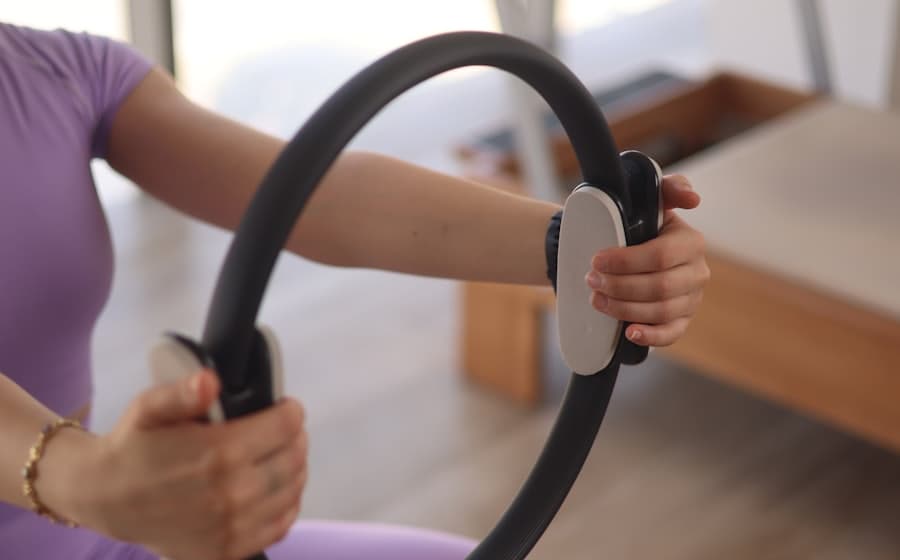
The flow of a session
The first part is history taking: onset, referral pattern, aggravating and easing movements, past conditions and current medications are recorded.
Examination follows. Range is measured, pain-triggering movements identified, and segmental stiffness and muscular endurance assessed.
Treatment is planned on those findings, and the session is completed with a home exercise taught to the patient. A first session usually lasts 45–60 minutes.
What to come prepared with
Comfortable clothing suitable for movement is preferred. The relevant region needs to be observed during assessment, which appropriate clothing makes easier.
Any previous imaging reports and test results should be brought. These speed up assessment and reduce the need for repeat investigation.
A list of current medications should be prepared. Anticoagulant and steroid treatments directly affect technique selection.
After the session
Mild tenderness and fatigue are normal and settle within a day or two. Drinking plenty of water and staying lightly active during the day are advised.
Heavy exercise and heavy lifting are avoided after a session. The home exercise taught should be done the same day, however; preserving the gain depends on it.
If pain markedly increases, or a new symptom such as numbness or weakness appears, the practitioner should be informed.
Key points
- Most of a first session is given to history and assessment.
- Technique is selected according to measurement findings.
- Previous imaging reports should be brought.
- Mild tenderness after a session is normal.
- The home exercise taught should be done the same day.
Frequently asked questions
How long does a session last?
A first session usually lasts 45–60 minutes because of the assessment. Follow-up sessions are typically 30–45 minutes.
Is a referral or prescription needed?
Not for an assessment. Where warning signs are found or further investigation is needed, however, a medical referral is made.
How long between sessions?
Twice weekly is common at first, reducing to once as progress is made. The interval is set by how long the patient sustains the gain.
Related articles
- Diagnosis and symptoms· 6 min readWhat is manual therapy and how does it differ from massage?
- Treatment course· 6 min readWhat manual therapy does for back pain
- Exercise· 6 min readExercise after manual therapy: making the gain last
- Treatment decision· 6 min readIs manual therapy safe? Who should not receive it?
Articles of a similar kind
- Daily living· 6 min readDaily life with a disc herniation: how to sleep and how to sit
- Daily living· 6 min readSleep and pillow selection with a cervical herniation
- Daily living· 6 min readDesk setup and daily habits in cervical flattening
- Daily living· 6 min readDaily life with scoliosis: sleep, bags, sport and work
This content is for information only and does not replace medical diagnosis or treatment. Response to treatment varies between individuals. Please consult a healthcare professional about your symptoms.