
Lower backŞişli, Istanbul
Spondylolysis and spondylolisthesis treatment
Spondylolysis is a stress fracture in the bony bridge at the back of a vertebra. When that bridge breaks on both sides the vertebra can slip forward, and the condition is called spondylolisthesis. The degree of slip and the severity of pain are often unrelated.
Also known as: Vertebral slip, pars defect, isthmic spondylolisthesis
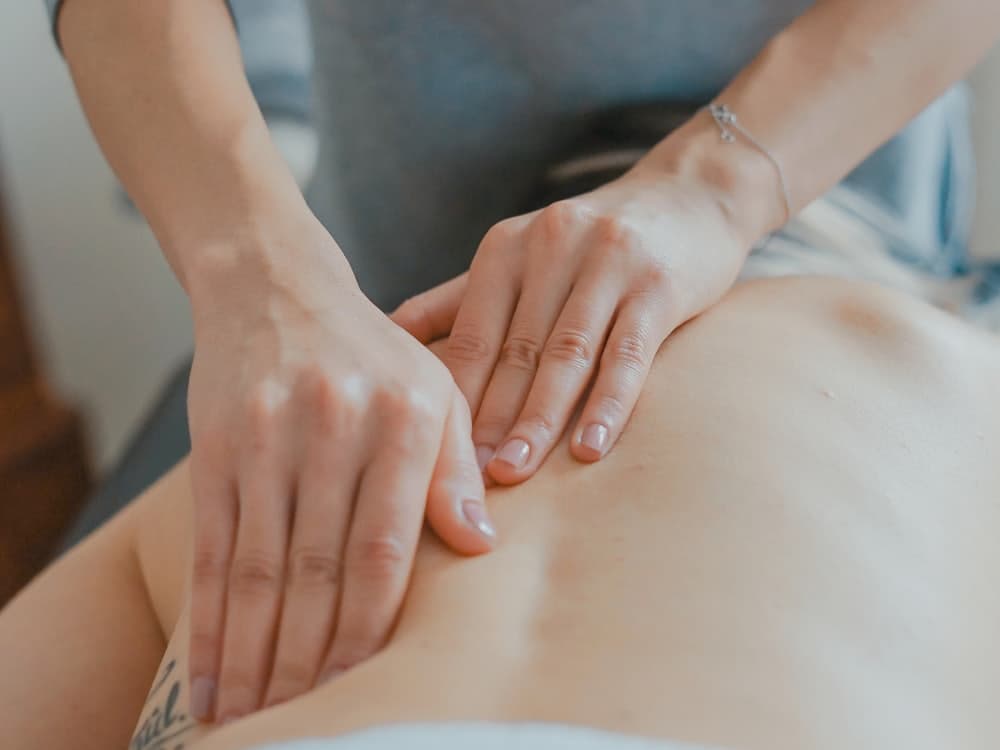
What is it?
At the back of each vertebra there is a thin bony bridge connecting the upper and lower facet joints (the pars interarticularis). Repeated extension and rotation can create a stress fracture there. It is most common in adolescence, in sports that force the spine backward such as gymnastics, weightlifting, wrestling and volleyball.
If the fracture is one-sided the vertebra usually stays in place; when it is bilateral the upper vertebra can slide forward over the one below. The amount of slip is graded, but clinical experience shows that severe pain can occur with a low-grade slip while a high-grade slip may cause no symptoms for years. What determines symptoms is muscular control around the affected segment.
The aim of physiotherapy is not to reverse the slip — that is not possible. The aim is to strengthen the muscular corset around the segment so excessive movement is prevented, and to share spinal load with the hip. Applied correctly, most patients return to sport and full activity.
Symptoms
- Low back pain that increases particularly with bending backward
- Symptoms that worsen with prolonged standing and walking
- Relief on sitting or bending forward
- Pain radiating into the buttock and back of the thigh
- Marked tightness in the hamstrings
- In athletes, pain increasing after training and settling with rest
- In higher-grade slips, a change in gait and a palpable step in the lower back
Causes and risk factors
- Repeated extension and rotation movements
- Heavy sporting load during adolescence, when growing bone is more vulnerable
- Genetic predisposition and a congenitally weak pars
- Age-related facet joint insufficiency (degenerative type)
- Lack of endurance in the trunk muscles
- A sudden increase in load with insufficient recovery time
The assessment
The assessment includes the single-leg extension (stork) test, which clearly increases pain on the fractured side. Movement control at the segment, endurance of the abdominal and back muscles and hamstring length are measured. In adolescent athletes the relationship between symptoms and training load is questioned in detail.
The grade of slip in your imaging report is interpreted alongside the clinical findings. What the grade means, which situations need monitoring and which activities are safe are all explained clearly. A neurological examination checks for nerve root involvement.
Course of treatment
Weeks 0–4
Reducing load
Movements involving extension and rotation are temporarily stopped. In active adolescent athletes, where the fracture still has a chance of healing, this period is extended. Activation of the deep trunk muscles is taught in pain-free positions.
Weeks 4–10
Building the muscular corset
Endurance of the abdominal and back muscles is systematically built. Exercises are performed keeping the spine in neutral, avoiding movements that flex or extend the lower back. Hip strength is developed in parallel.
Weeks 10–18
Return to function
Lifting, carrying and sport-specific movements are added progressively while maintaining neutral spine control. In athletes, return is decided on the combination of being pain-free and passing objective control tests.
Maintenance
Long-term protection
Because the slip is structural, stabilisation work should continue long term. A short programme two or three times a week is the most effective way to prevent progression and recurrence of symptoms.
How long does it take?
The programme usually runs 12–18 sessions, and full return to sport can take three to six months. In adolescents whose stress fracture is caught early, bony healing is possible and activity restriction is applied more strictly during that window. In adults the goal is not closing the slip but bringing the segment under control.
When to see a doctor
The findings below fall outside the scope of physiotherapy and require medical assessment.
- Loss of bladder or bowel control
- Progressive weakness or numbness in both legs
- A rapid increase in the grade of slip on follow-up imaging
- Marked deterioration in gait or a sense of leg length difference
- Severe pain not relieved by rest and worse at night
Frequently asked questions
Will the slip progress?
In adults progression is uncommon and usually slow. The risk is higher during the adolescent growth spurt, so regular monitoring is advised in that age group. Stabilisation work is the single most important factor in reducing the risk of progression.
Is it possible to do sport?
In most cases yes. The only things ruled out are uncontrolled extension and rotation. Once control is established, graded return to running, weight training and team sports is possible; which movements need adapting is decided together with you.
Are abdominal exercises associated with risk?
Movements that repeatedly flex the spine, such as sit-ups, are not advised. Stabilisation work that holds the spine neutral, such as plank variations, is precisely what you need and sits at the centre of the programme.
Is it necessary to wear a brace?
In adolescents with an acute stress fracture a brace may be used for a defined period on medical advice. In adults with a chronic slip long-term bracing is not recommended, as it weakens the muscular corset and worsens the situation over time.
Methods used
Related conditions
The content on this page is for information only and does not replace medical diagnosis or treatment. Always consult a healthcare professional about your symptoms.
Assessment appointment
No referral is required for assessment. Enquiries regarding Spondylolysis and spondylolisthesis treatment may be submitted via WhatsApp; available dates and times will be provided in response.