
MethodŞişli, Istanbul
Range of motion and swelling management
The first goal after a knee injury is not strength but controlling swelling and regaining full extension. If these two are skipped, every later stage falters.
Where it is applied: Knee
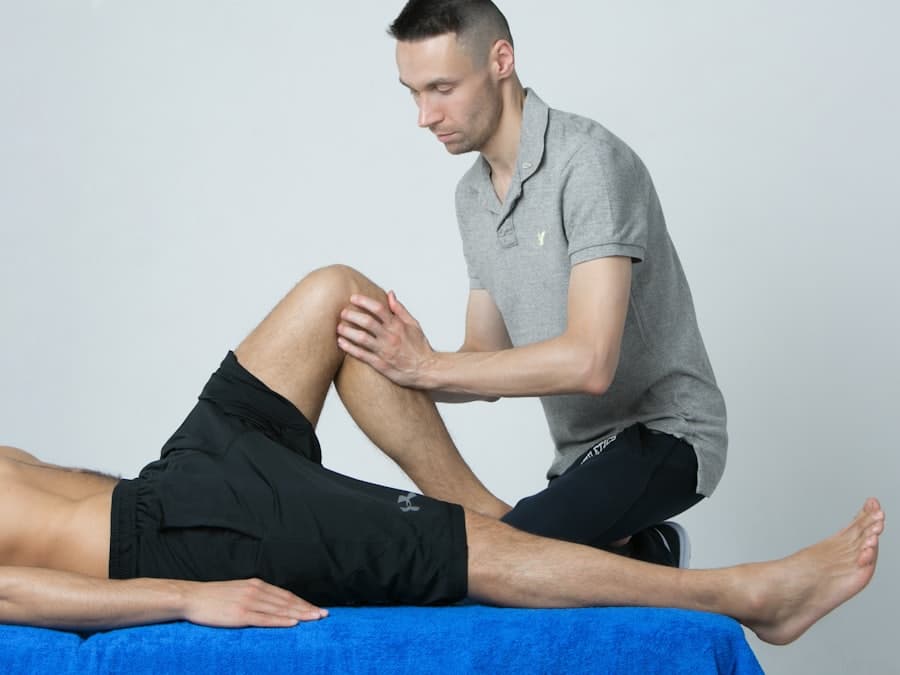
What is it?
Fluid within the joint reflexively inhibits the quadriceps, a phenomenon called arthrogenic muscle inhibition. Even small amounts of fluid have been shown to markedly reduce muscle activation. Strength work done before swelling settles does not deliver the expected result.
The second priority is full extension. The last few degrees of knee extension are critical for walking mechanics; when they are lost, the quadriceps must work extra with every step and a limp becomes established. The longer extension is lost, the harder it is to regain.
The early programme therefore follows a simple but strict order: swelling first, then extension, then flexion, then strength. Skipping that order slows progress and increases the risk of permanent restriction.
How it is applied
Step 1
Controlling swelling
Elevation, compression and ice reduce joint fluid. Activity level is set so it does not increase swelling.
Step 2
Full extension
The last degrees of extension are restored as a priority. This is the programme's most critical and most neglected goal.
Step 3
Flexion range
Knee flexion is increased gradually, targeting the range needed for stairs and sit-to-stand.
Step 4
Transition to strength
Once swelling and range goals are met, the programme moves on to strength.
Who it suits
- The early period after a knee injury
- Meniscal and ligament injuries
- Post-operative rehabilitation
- Flare-ups in knee osteoarthritis
- Baker's cyst and recurrent joint effusion
- Joint stiffness after prolonged immobilisation
When it is not used
- Suspected joint infection — fever, redness, warmth; requires emergency assessment
- Fracture or suspicion of one
- Suspected deep vein thrombosis
- Post-surgical movement restrictions — the surgeon's protocol takes precedence
- A locked knee — the mechanical block is assessed first
How long does it take?
Clear reduction in swelling is usually achieved within one to three weeks. Regaining full extension can take two to six weeks depending on the injury. The programme does not move to strength until these goals are met.
Frequently asked questions
Ice or heat?
With active swelling, ice is preferred. Once swelling has settled and stiffness dominates, heat before range of motion work can be helpful.
Why does the knee not straighten fully?
The commonest causes are joint fluid and tightness in the posterior structures. Both are treatable, but recovery gets harder the longer it is delayed, so early intervention matters.
Is it advisable to walk?
Yes, at a distance that does not increase pain or swelling. Complete rest accelerates stiffness and muscle loss; the criterion is that swelling after activity settles within 24 hours.
Related conditions
Methods used
Articles on this topic
Articles covering the topic in detail: symptoms, treatment, exercise and daily life.
- Diagnosis and symptoms· 6 min readWhy do joints swell? What oedema means
- Treatment course· 6 min readManaging oedema and regaining range of motion
- Exercise· 6 min readRange-of-motion exercises: what to do in the early phase
- Treatment decision· 6 min readWhen does joint swelling require urgent assessment?
- Daily living· 6 min readThe first 72 hours after injury: what to do and what to avoid
The content on this page is for information only and does not replace medical diagnosis or treatment. Always consult a healthcare professional about your symptoms.
Assessment appointment
No referral is required for assessment. Enquiries regarding Range of motion and swelling management may be submitted via WhatsApp; available dates and times will be provided in response.