
KneeŞişli, Istanbul
Chondromalacia and cartilage problems
Chondromalacia is softening and structural disruption of the cartilage on the back of the kneecap. This imaging finding is often not directly related to the severity of pain.
Also known as: Chondromalacia patellae, softening of kneecap cartilage
What is it?
The back of the kneecap is covered by the thickest cartilage in the body because the pressure there is very high. Under excessive and uneven loading that cartilage can soften and its surface roughen. This change, seen at arthroscopy or on MRI, is called chondromalacia and is graded.
What matters is this: cartilage contains no nerve endings, so the cartilage itself does not directly produce pain. Pain comes from the bone beneath it, the joint capsule and surrounding soft tissues. Some people with advanced chondromalacia are pain-free while others with mild changes have marked symptoms.
The treatment goal is not to repair the cartilage — current methods cannot do that. The goal is to reduce pressure on the kneecap and improve knee control during movement. This is largely the same approach as in patellofemoral pain syndrome, and the outcomes are good.
Symptoms
- Pain around and behind the kneecap
- Symptoms worse descending stairs and squatting
- Pain after sitting with the knees bent for long periods
- Grinding and crunching at the kneecap
- Mild swelling after activity
- Increased discomfort on full knee flexion
- Pain accentuated walking downhill
Causes and risk factors
- Irregular tracking of the kneecap within its groove
- Hip muscle weakness with the knee collapsing inward
- Quadriceps strength imbalance
- Repeated overloading and sudden increases in volume
- Previous kneecap dislocation or trauma
- Habitually sitting with the knees bent for long periods
The assessment
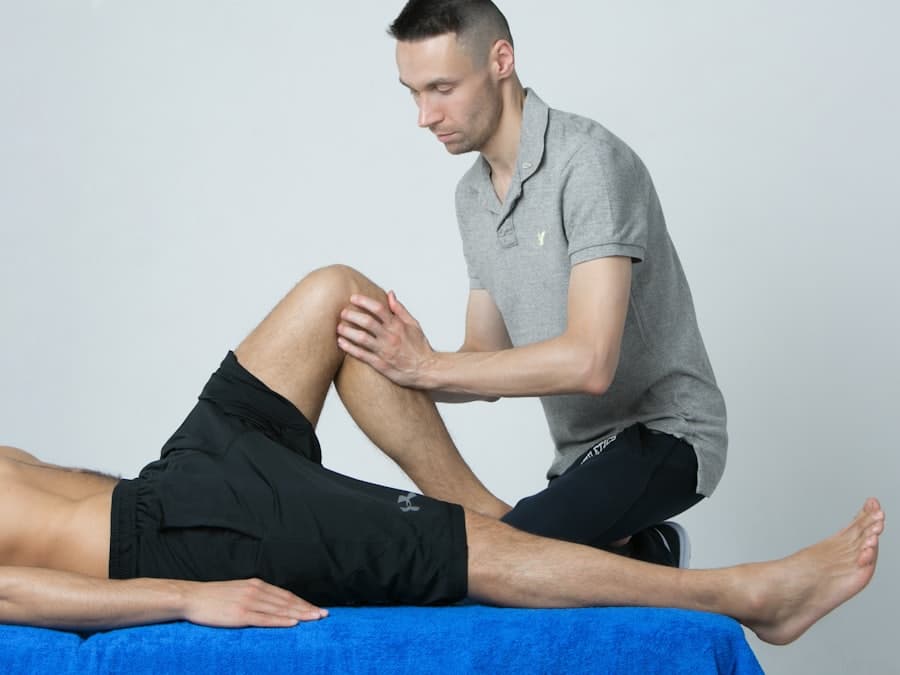
Kneecap movement and surrounding tenderness are assessed by hand. Compression tests are applied and the knee angle at which pain appears is recorded, which determines the range in which exercises are performed.
Hip abductor and external rotator strength, the degree of inward knee collapse in a single-leg squat and quadriceps strength are measured. What the grade of chondromalacia in the report means, and why it relates weakly to pain, is explained.
Course of treatment
Weeks 0–3
Reducing pressure
Deep knee flexion positions that provoke pain are temporarily limited. Quadriceps work begins in the pain-free range and hip strengthening starts immediately.
Weeks 3–10
Strength and alignment
Hip and quadriceps strengthening is progressed systematically, aiming to build the muscular control that allows the kneecap to track more evenly in its groove.
Weeks 10–16
Widening the range
The pain-free working range of knee flexion is gradually widened, and squat and stair capacity increased.
Maintenance
Load management
Activity volume is increased gradually and strength work maintained. A break routine interrupting long periods of sitting with bent knees is advised.
How long does it take?
Clear improvement is usually seen within eight to fourteen weeks, with a programme of 10–16 sessions. Although the structural change in cartilage does not reverse, marked reduction in pain and return of normal function are the usual outcome.
When to see a doctor
The findings below fall outside the scope of physiotherapy and require medical assessment.
- Locking or true catching in the knee
- Rapidly developing large swelling
- Dislocation of the kneecap
- Fever, redness and warmth
- Pain not relieved by rest at night and steadily increasing
Frequently asked questions
Does the cartilage regenerate?
Softened cartilage does not return to its previous structure. But because cartilage has no nerve endings, that does not mean the pain is permanent; it usually resolves once pressure is reduced.
The knee crunches — does this indicate progression?
Painless crunching is common and not by itself a sign of progression. Assessment is needed if pain, swelling or locking accompany it.
Is it advisable to avoid squatting?
Deep squatting is limited early on, but permanent avoidance leads to muscle loss. As the programme progresses squatting is restored and made pain-free.
Is surgery needed?
In most cases no. Surgical procedures for chondromalacia have not shown long-term superiority, and exercise-based treatment is the first choice.
Methods used
Related conditions
The content on this page is for information only and does not replace medical diagnosis or treatment. Always consult a healthcare professional about your symptoms.
Assessment appointment
No referral is required for assessment. Enquiries regarding Chondromalacia and cartilage problems may be submitted via WhatsApp; available dates and times will be provided in response.