
KneeŞişli, Istanbul
Knee bursitis treatment
Bursae are small fluid-filled sacs that reduce friction between tendon and bone. Under repeated pressure or friction they become irritated, swell and produce pain.
Also known as: Prepatellar bursitis, housemaid's knee, infrapatellar bursitis
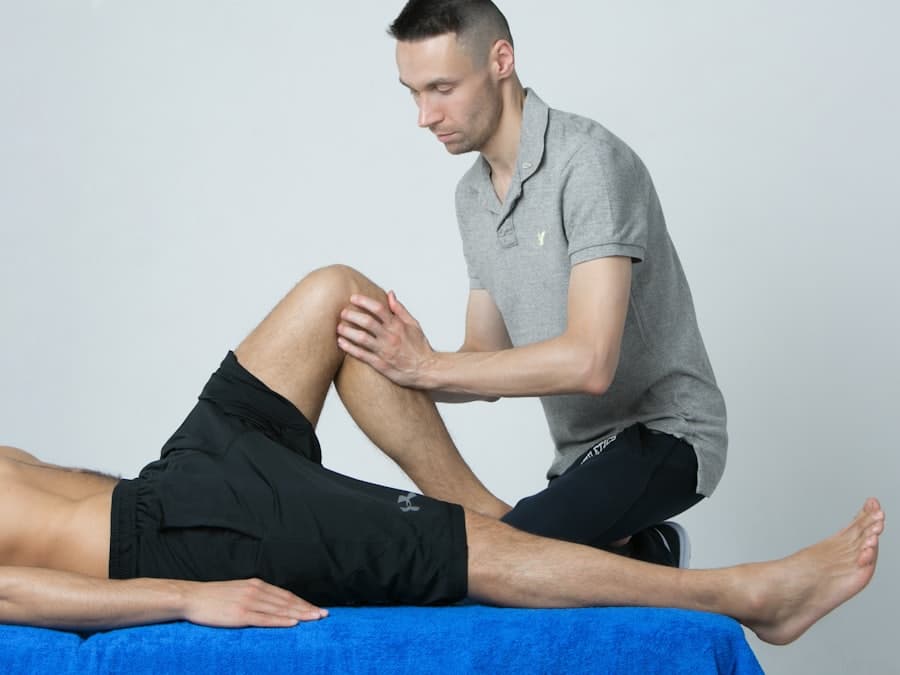
What is it?
There are several bursae around the knee. The most commonly affected is the prepatellar bursa just in front of the kneecap — historically called 'housemaid's knee' because it is common in people who kneel for long periods. The infrapatellar bursa below the kneecap and the pes anserine bursa on the inner side can also be irritated.
Irritation arises in two ways: repeated mechanical pressure or a single direct blow. Fluid within the sac increases, the area swells and becomes tender to touch. The swelling is felt superficially just under the skin rather than within the joint, which distinguishes it from intra-articular swelling.
An important distinction is the possibility of infection. Because the bursa is superficial it can become infected, particularly after a skin injury. Marked redness, warmth and fever make this an emergency requiring medical assessment before physiotherapy.
Symptoms
- Superficial, soft swelling in front of or below the kneecap
- Tenderness on touching the area
- Marked pain when kneeling
- A sense of tightness on fully bending the knee
- Swelling felt just beneath the skin
- Swelling that increases after activity
- Redness, warmth and fever if infected
Causes and risk factors
- Prolonged kneeling at work — flooring, cleaning, gardening
- A direct blow to the kneecap or a fall
- Sports creating repeated friction
- Accompanying osteoarthritis and joint irritation
- Infection following a skin injury
- Inflammatory conditions such as rheumatoid arthritis
The assessment
The location and depth of swelling are assessed; superficial swelling suggests bursitis while deep swelling suggests an intra-articular problem. Palpation identifies which bursa is involved.
Signs of infection are always checked: redness, marked warmth, fever and rapid enlargement. Where present, medical assessment takes priority. Knee range and any accompanying joint problems are recorded.
Course of treatment
Weeks 0–2
Removing the pressure
Kneeling is avoided and knee padding used where necessary. Ice and swelling management are applied.
Weeks 2–6
Movement and strength
Knee range is preserved and quadriceps strengthening begins. Load increases gradually as swelling reduces.
Weeks 6–10
Return-to-work setup
Where kneeling is required at work, protective equipment and a position-changing routine are planned.
Maintenance
Preventing recurrence
Habits creating pressure are modified; repeated mechanical loading is the commonest cause of bursitis.
How long does it take?
In mechanical bursitis swelling and pain usually settle within three to six weeks, with a programme of 6–10 sessions. Recurrence is likely if the source of pressure is not removed. Infected bursitis requires medical treatment first.
When to see a doctor
The findings below fall outside the scope of physiotherapy and require medical assessment.
- Marked redness, warmth and fever — possible infected bursitis requiring emergency assessment
- Rapidly enlarging swelling
- Inability to bear weight on the knee
- Broken skin with discharge
- General malaise and shivering
Frequently asked questions
Does the swelling need draining?
Usually not, and it settles on its own once the source of pressure is removed. Where infection is suspected a sample may be needed for diagnosis, a decision that belongs to a physician.
How is it distinguished from joint swelling?
Bursal swelling is superficial and felt as a well-defined lump just under the skin. Intra-articular swelling is more diffuse and makes the whole knee feel full.
Is it advisable to use knee padding?
If your work requires kneeling, yes — protective padding is the most effective measure. Changing position regularly also prevents pressure accumulating.
Will it come back?
It recurs if the activity creating the pressure continues, which is why the final phase of treatment is modifying the daily or occupational habit causing the irritation.
Methods used
Related conditions
The content on this page is for information only and does not replace medical diagnosis or treatment. Always consult a healthcare professional about your symptoms.
Assessment appointment
No referral is required for assessment. Enquiries regarding Knee bursitis treatment may be submitted via WhatsApp; available dates and times will be provided in response.